Bridging the Digital Divide Through GenAI Empowerment: The Mulungushi University Experience
As the host institution of the IIOE Zambia National Centre, Mulungushi University provides a compelling illustration of the institutional drive celebrated by the Pioneer Award. Its commitment to localised digital empowerment has expanded equitable access to digital competence, strengthened institutional agility, and built the foundational capacity needed for responsible and inclusive AI integration across diverse learning environments. In this article, the National Centre's director reflects on this journey, offering an insider's view of how a digital future is taking shape in southern Africa.
Mulungushi University's recognition at the 2025 IIOE Higher Education Digitalisation Pioneer Case Award, announced in Singapore on 1 September, signals the growing maturity of Zambia's higher education sector and affirms the national commitment to technology-enabled transformation.
The foundation of this work is the Centre's philosophy of localised digital empowerment. At its core, this philosophy emphasises that digital transformation must respond to local realities rather than replicate external templates. Africa's education systems face unique challenges of access, infrastructure, affordability, and contextual relevance, and these demands require solutions tailored to local contexts.
Localised digital empowerment therefore seeks to develop the human capacity, institutional cultures, and governance frameworks necessary for Zambia to shape its own AI trajectory.
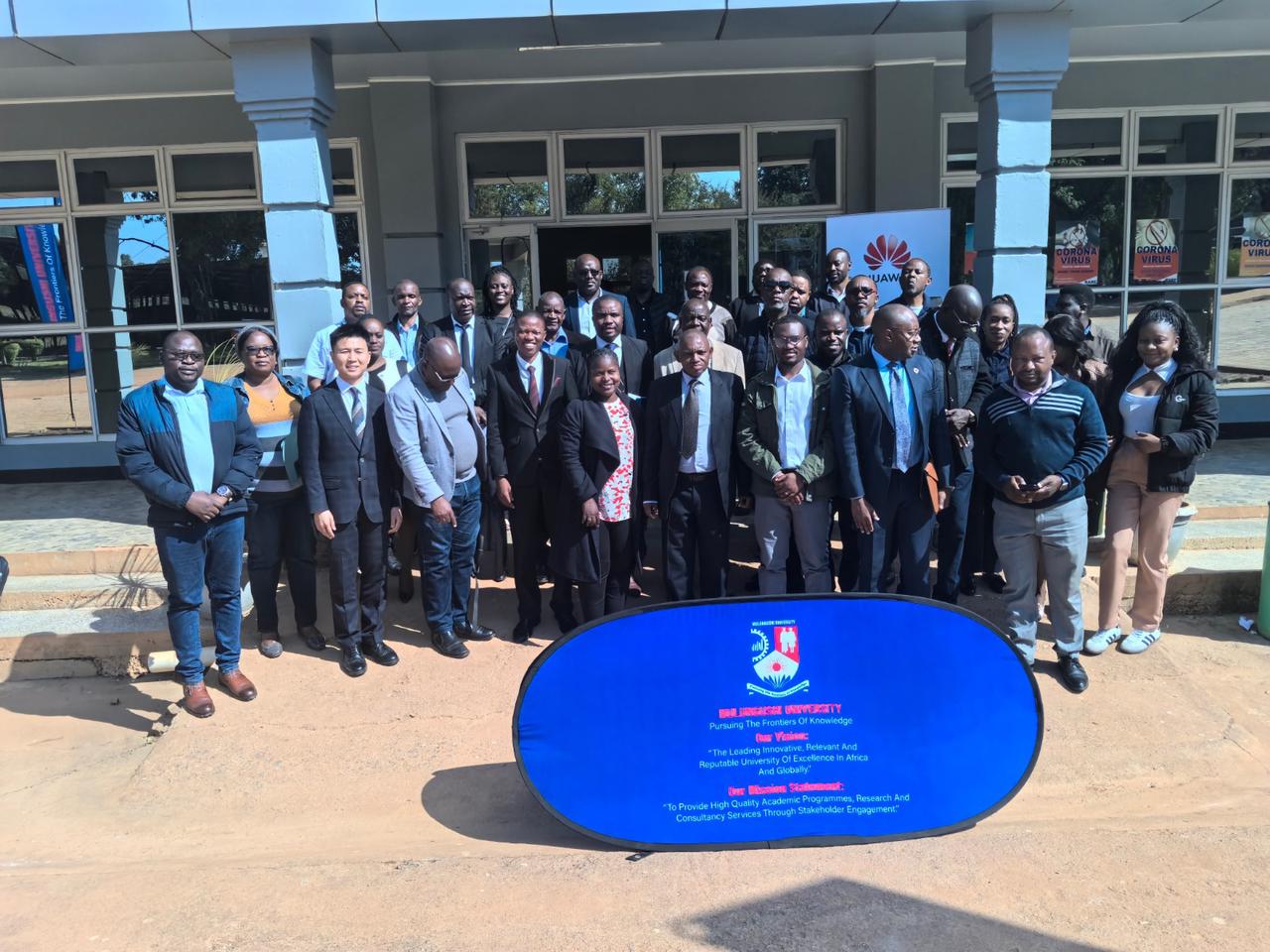
© Mulungushi University
Rather than treating technology as a standalone achievement, the approach views AI as a tool whose value emerges when educators, students, administrators, and leaders gain the competence and agency to use it meaningfully. This philosophy recognises that sustainable digital change depends on contextualised pedagogy, ethical guidance, cultural relevance, and careful attention to national developmental goals. Through anchoring digitalisation within Zambia's lived realities, Mulungushi University ensures that technology becomes a path to equity and opportunity rather than a new form of exclusion.
To turn this philosophy into practice, the IIOE Zambia National Centre employs a four-phase strategic framework that has proven both scalable and sustainable.
Capacity Building
The first phase, capacity building, lies at the heart of the Centre's work. Through a series of structured programmes, workshops, and technical trainings, the Centre supports educators in integrating GenAI into teaching and learning in purposeful ways. These efforts do not treat AI as a shortcut or a replacement for professional judgment. Instead, educators are empowered to use AI as a co-design tool for developing contextualised lesson plans, constructing adaptive assessments, enriching course materials, and stimulating students' analytical and creative capacities. The Centre's initiatives, including the IIOE Technical Workshop held in June 2025 and the GenAI Policy Drafting Workshop in July 2025, equip educators with practical skills while reinforcing ethical considerations such as authorship, originality, and critical evaluation of AI outputs. As a result, AI becomes not only an instructional aid but also a catalyst for pedagogical reflection, innovation, and improved student engagement.
Students, likewise, are central to the Centre's capacity-building mission. By introducing them to GenAI as a partner in research, innovation, and problem solving, the Centre cultivates a generation of learners who are not only digitally literate but also capable of applying AI responsibly. Training emphasises creativity, ethical reasoning, academic integrity, and confidence in navigating AI-enhanced environments. These competencies prepare students to participate actively in Zambia's evolving digital economy while enabling them to develop a deeper understanding of the societal, cultural, and ethical dimensions of AI technologies.
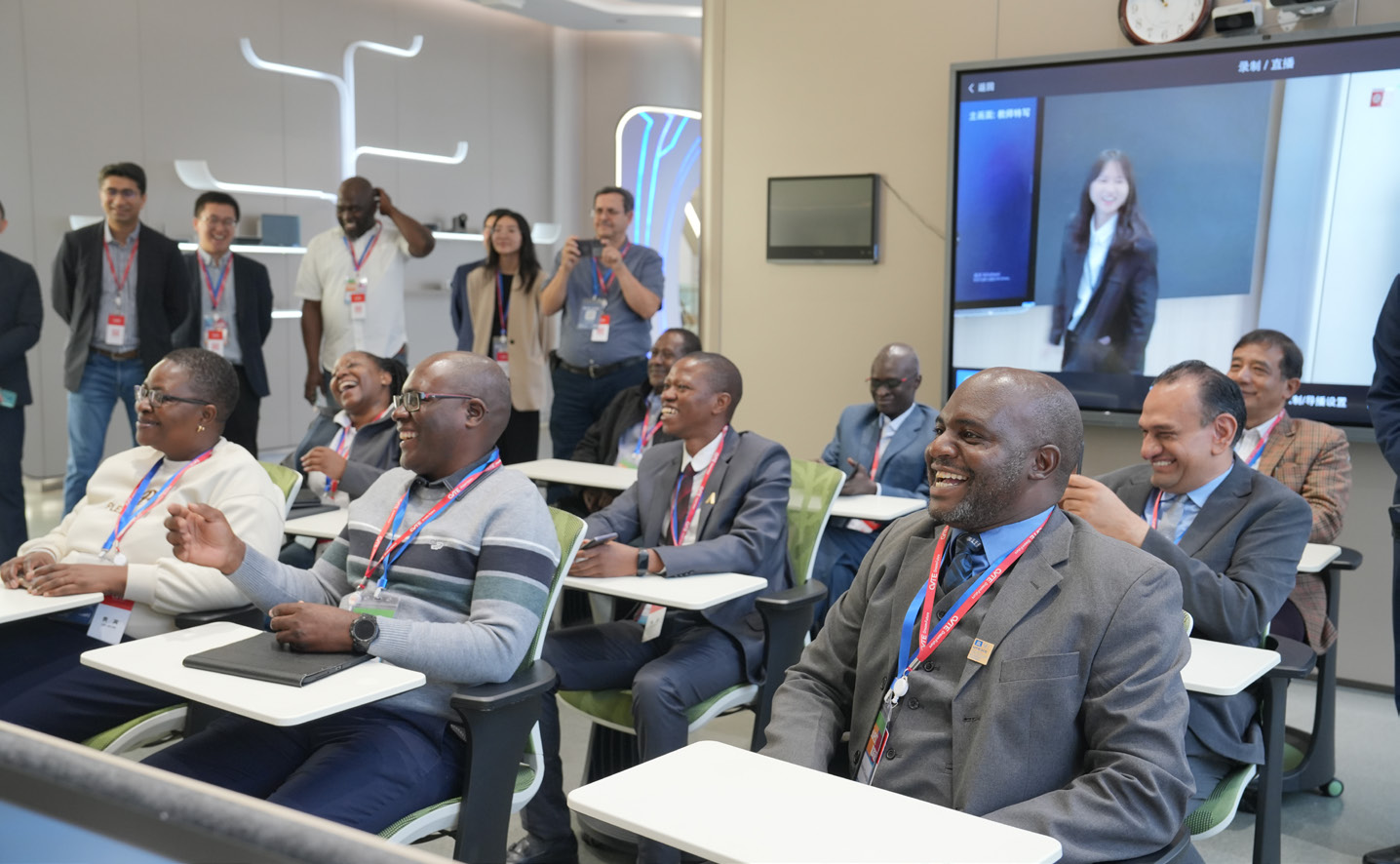
Beyond teaching and learning, digital transformation requires institutional leadership that is strategic, informed, and adaptive. The Centre therefore includes university leaders, senior administrators, deans, and strategic planners, as key participants in its capacity-building programmes. Leaders are trained to use AI-driven insights to strengthen decision-making, anticipate emerging trends, and design institutional strategies aligned with national digital priorities. This ensures that AI adoption does not occur in fragmented or ad-hoc ways but is embedded in coherent institutional frameworks. Leadership training also enhances accountability, resilience, and the ability to guide universities through periods of technological disruption. By cultivating leaders who understand both the opportunities and risks associated with AI, the Centre promotes governance cultures that are ethical, evidence-based, and forward-looking.
Administrative and support staff also play an essential role in the transformation process. Their daily responsibilities form the backbone of institutional functionality, and the ability to harness AI in these areas can significantly improve efficiency. Through targeted training, support staff learn to streamline documentation, enhance communication workflows, improve student services, and automate routine processes such as reporting and data organisation. This leads to more responsive and agile institutions, capable of meeting the needs of both students and faculty with greater precision and speed. By engaging every category of university personnel, the Centre ensures that digital transformation becomes an institution-wide movement rather than a specialised endeavour.
Network Expansion
Once foundational capacity has been built, the Centre's strategy advances to the second phase: network expansion. The National Centre has established a strong and growing national network of over 15 universities and TVET institutions in Zambia and neighbouring countries, each formally integrated through Memoranda of Understanding. This network provides a platform for shared learning, collaborative experimentation, and collective problem solving. Importantly, it reduces disparities between well-resourced and underserved institutions by enabling them to share tools, access training, and participate in joint programmes. The Centre is transforming digital empowerment from an isolated institutional project into a coordinated national priority. This network approach promotes sustainability, encourages peer support, and ensures that digital innovation diffuses across the entire sector rather than becoming concentrated in a few urban centres.
Policy Leadership
The third phase of the Centre's strategy, policy leadership, reflects Mulungushi University's role in shaping Zambia's national digital education agenda. Through high-level engagements such as the AI in Education Summit hosted in May 2025 and subsequent policy roundtable discussions, the University has brought together policymakers, researchers, educators, and industry partners to develop informed, inclusive approaches to AI governance.
One of the most significant outcomes of this engagement is the development and eventual endorsement of the Artificial Intelligence Draft Education Policy by the Ministry of Education. The Centre contributed substantive insights to this policy, drawing on practical lessons from its workshops, pilots, and institutional initiatives. This includes input on ethical guidelines, governance mechanisms, capacity-building structures, and implementation pathways. The endorsement of this policy positions Zambia as one of the early adopters of a coordinated approach to AI in education and provides a foundation for long-term, ethically grounded integration of AI across the education sector.
Industry Integration
The fourth phase, industry integration, ensures that higher education remains aligned with evolving labour market demands. By collaborating with technology firms, innovation hubs, and professional associations, the Centre exposes students and staff to real-world AI applications. These partnerships facilitate hands-on learning experiences, mentorship opportunities, innovation challenges, and collaborative research projects. Integrating industry perspectives into academic training not only enhances employability but also strengthens Zambi's capacity to participate competitively in global AI-driven knowledge economies. It also ensures that AI adoption is not confined to theoretical discourse but is grounded in practical, context-relevant applications that address genuine societal needs.
Good Practices
Mulungushi University's recognition as a Pioneer Award recipient is a reflection of distinct practices that underpin its achievements. These include an unwavering commitment to human-centred teaching and learning, ensuring that educators guide rather than defer to technological tools, a focus on distributed leadership that empowers individuals at all levels of the institution; and a strong practice-to-policy feedback loop that ensures innovations in the classroom directly inform national strategies.
The Centre's ability to adapt training models to low-bandwidth or resource-limited environments demonstrates its dedication to equity. Its culture of multisector collaboration, linking government, academia, industry, and international organisations, further strengthens its capacity for sustainable and high-impact transformation.

© Mulungushi University
-
Dr. Brian HalubanzaAthor
Director, IIOE Zambia National Centre
- Bridging the Digital Divide Through GenAI Empowerment: The Mulungushi University Experience
- Weaving a National Digital Ecosystem: ITC and the Making of CCUN
- 2025 New Growth: The IIOE Ecosystem · 2025
- XJTLU: How to Build a Systematic "AI + Education" Ecosystem?
- The Power of Regional Collaboration: IUCEA's AI "Training of Trainers" Programme
- Consensus-Driven Digital Transformation: How the IIOE Nigeria National Centre is Pioneering an AI-Ready Academic Future
- Dialogue with CLOUD: Two Centres, One Pursuit of Excellence
- When Change Knocks: Inside the World of the Pioneer Award