UNESCO-ICHEI and Partners Jointly Establish the IIOE Southeast Asia Regional Task Force and Convene Training Programme in Korea
From 4 to 13 November 2026, the International Centre for Higher Education Innovation under the auspices of UNESCO (UNESCO-ICHEI), the Secretariat of the Southeast Asian Ministers of Education Organization (SEAMEO) and Kyungwoon University jointly convened an inauguration and training programme for the International Institute of Online Education (IIOE) Southeast Asia Regional Task Force in Gumi, Republic of Korea. Representatives from 11 Task Force member universities participated. Through thematic exchanges, specialised training, Task Force discussions and industry visits, the 10-day programme addressed the use of artificial intelligence (AI) in higher education, regional resource sharing, institutional capacity building and international cooperation, advancing the development and operation of the IIOE Southeast Asia Regional Centre.
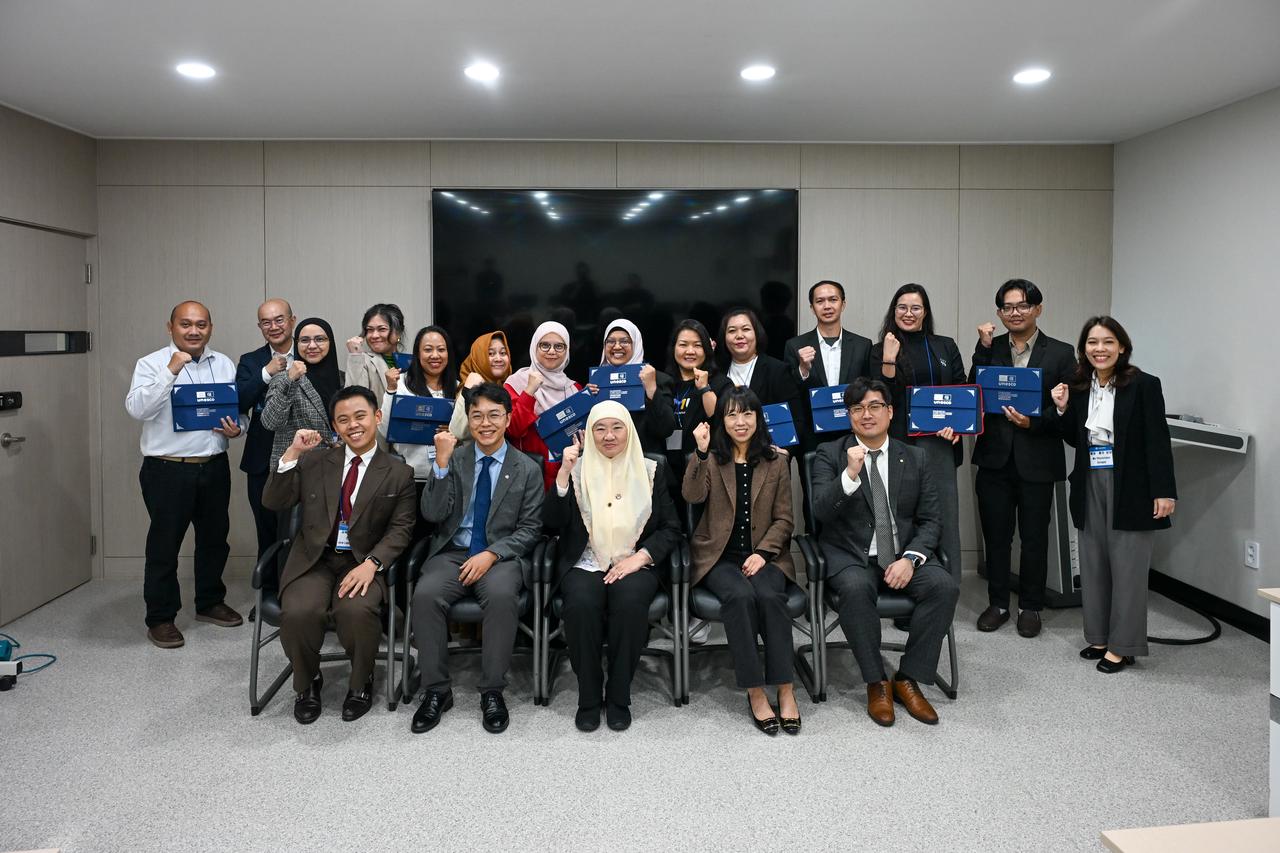
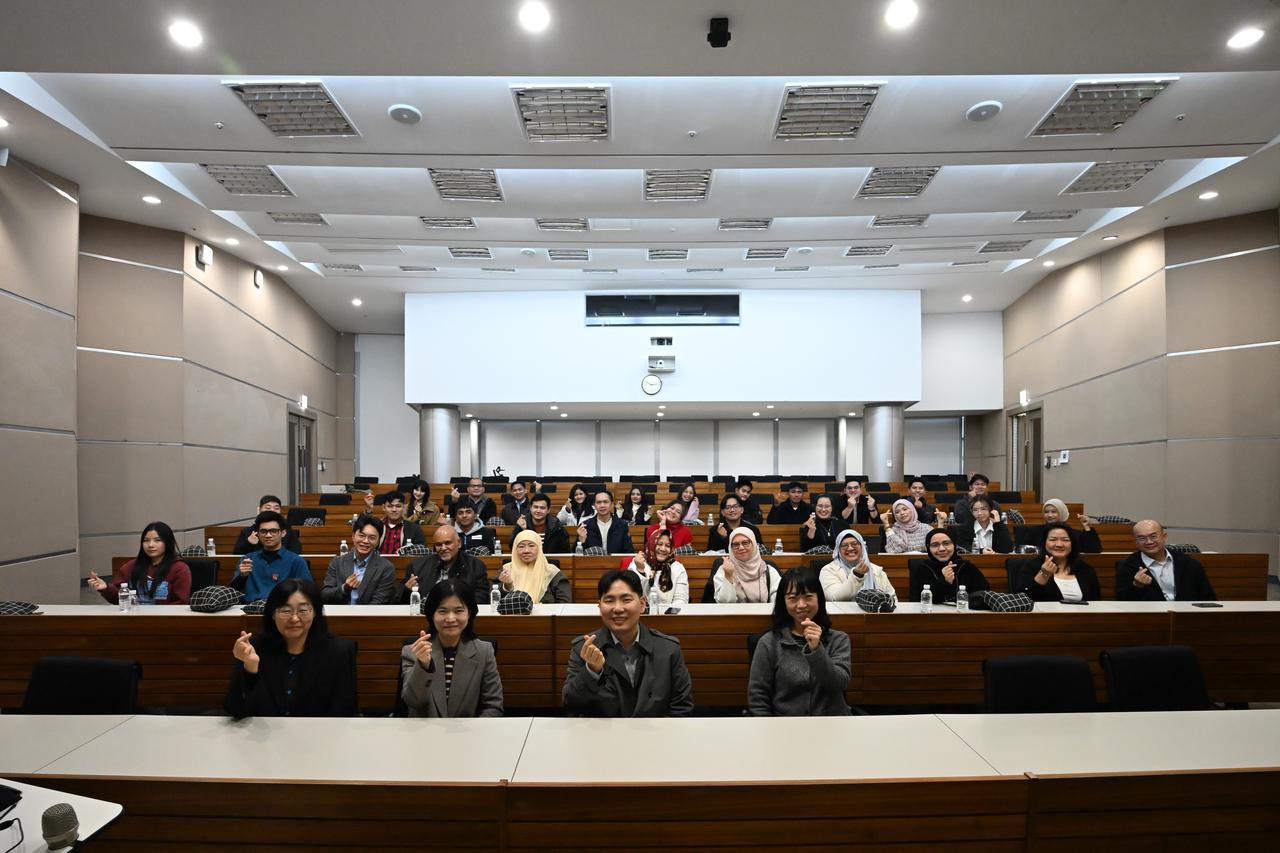
Group photo of participants in the inauguration and training programme for the IIOE Southeast Asia Regional Task Force
01
Jointly Establishing the IIOE Southeast Asia Regional Task Force and Strengthening Regional Cooperation
Jointly launched by UNESCO-ICHEI and the SEAMEO Secretariat in June 2026, the IIOE Southeast Asia Regional Centre brings together universities across Southeast Asia to advance the digital transformation of higher education and the application of AI in the region.
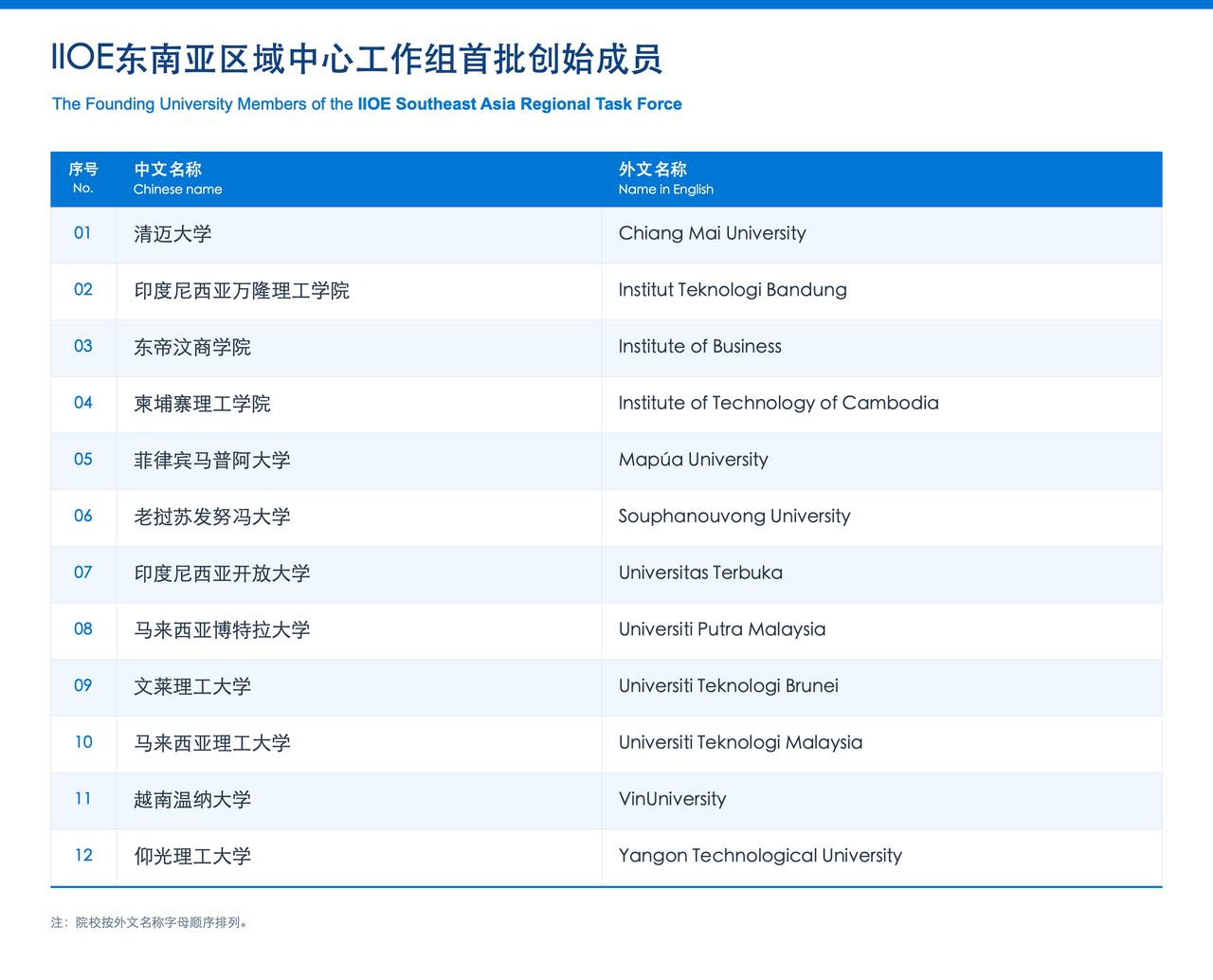
In August 2026, UNESCO-ICHEI and the SEAMEO Secretariat jointly initiated the establishment of the IIOE Southeast Asia Regional Task Force, receiving applications from 88 universities across the region. Following a comprehensive review by an expert committee, 12 universities were selected as founding members of the Task Force.
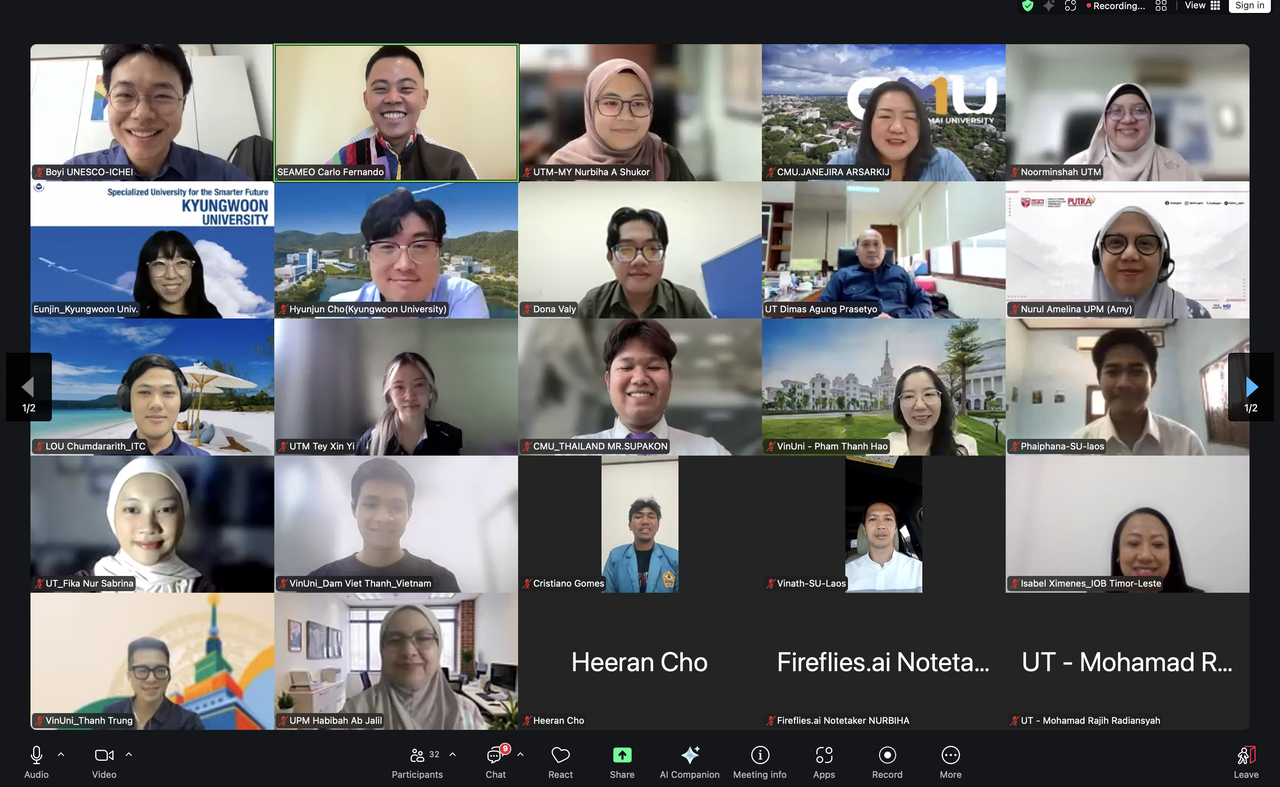
UNESCO-ICHEI and SEAMEO hold an online orientation session for the Task Force on 13 October
At the opening ceremony on 5 November, Datuk Dr. Habibah Abdul Rahim, Director of the SEAMEO Secretariat, stated that the Regional Centre would connect the strengths of its member universities, jointly develop learning resources and explore pathways for the digital transformation of higher education that respond to Southeast Asia's needs.
Datuk Dr. Habibah Abdul Rahim, Director of the SEAMEO Secretariat, delivers the opening address
Mr. ZHANG Boyi, Programme Officer of Global Partnership and Programme Office, UNESCO-ICHEI, introduced core functions of the IIOE platform, highlighting its course resources, the IIOE Micro-Certification Programme, training in teachers' digital competencies. He explained that the IIOE Southeast Asia Regional Centre would serve as a platform for regional collaboration, linking IIOE's global resources with the needs of Southeast Asian universities. The Regional Centre would promote the sharing and localisation of course resources, faculty capacity building, joint research and policy dialogue, helping institutions draw on their complementary strengths. Member universities could contribute to the Regional Centre's development by jointly delivering capacity-building and training programmes, co-organising conferences and workshops, co-developing micro-certification courses and conducting joint research. They could also encourage universities in remote areas of their respective countries to join the IIOE network. During the programme, UNESCO-ICHEI and the SEAMEO Secretariat presented certificates of appointment to Task Force member universities.
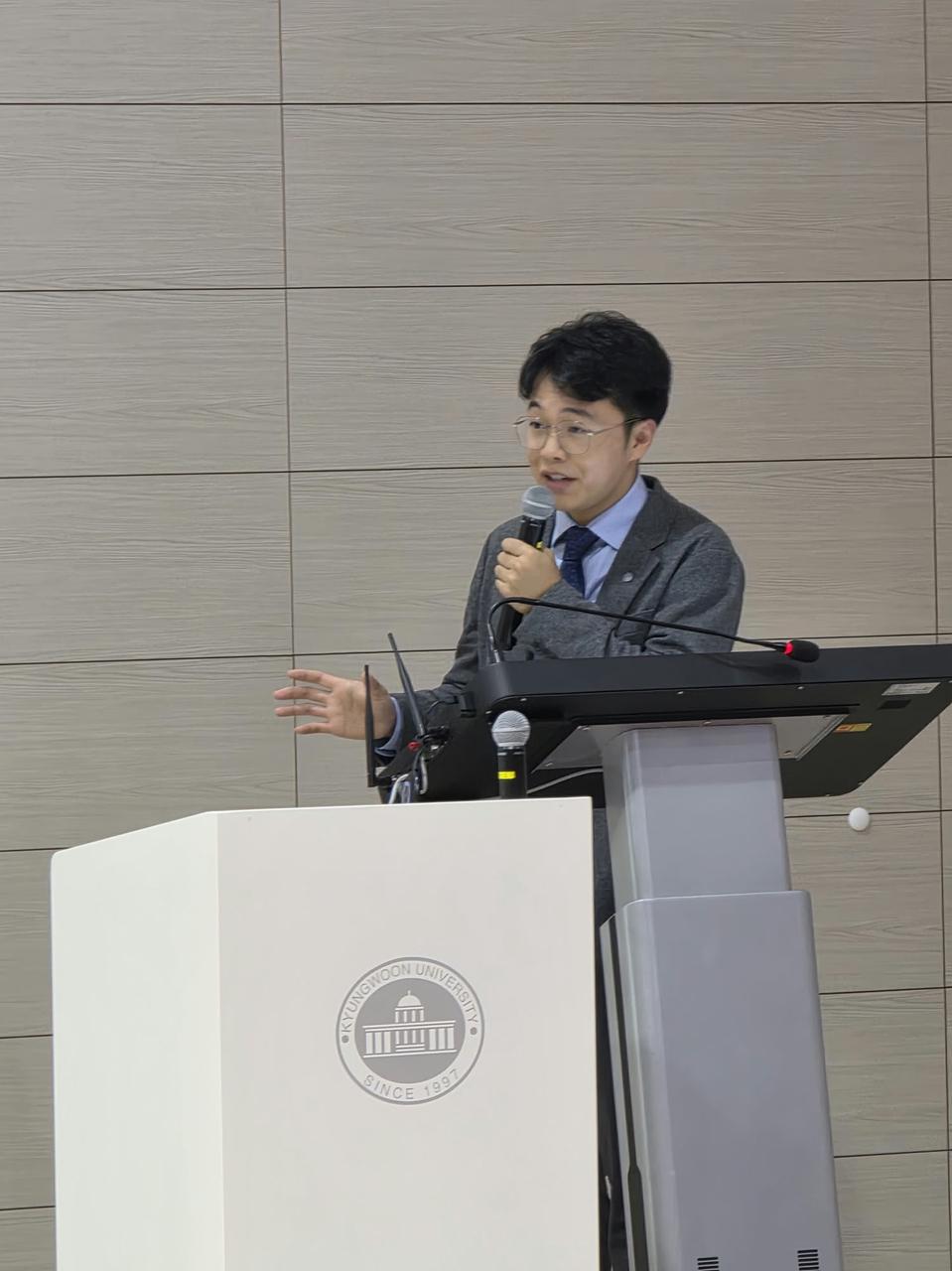
Mr. ZHANG Boyi, Programme Officer of Global Partnership and Programme Office, UNESCO-ICHEI, delivers a presentation
02
Conducting Thematic Workshops to Explore Priority Areas for Cooperation
From 6 to 10 November, a series of working meetings and thematic workshops addressed the future development of the IIOE Southeast Asia Regional Task Force. Focusing on faculty development, micro-certification courses, joint research and university-industry cooperation, participants explored ways to pool institutional resources and strengthen regional collaboration.
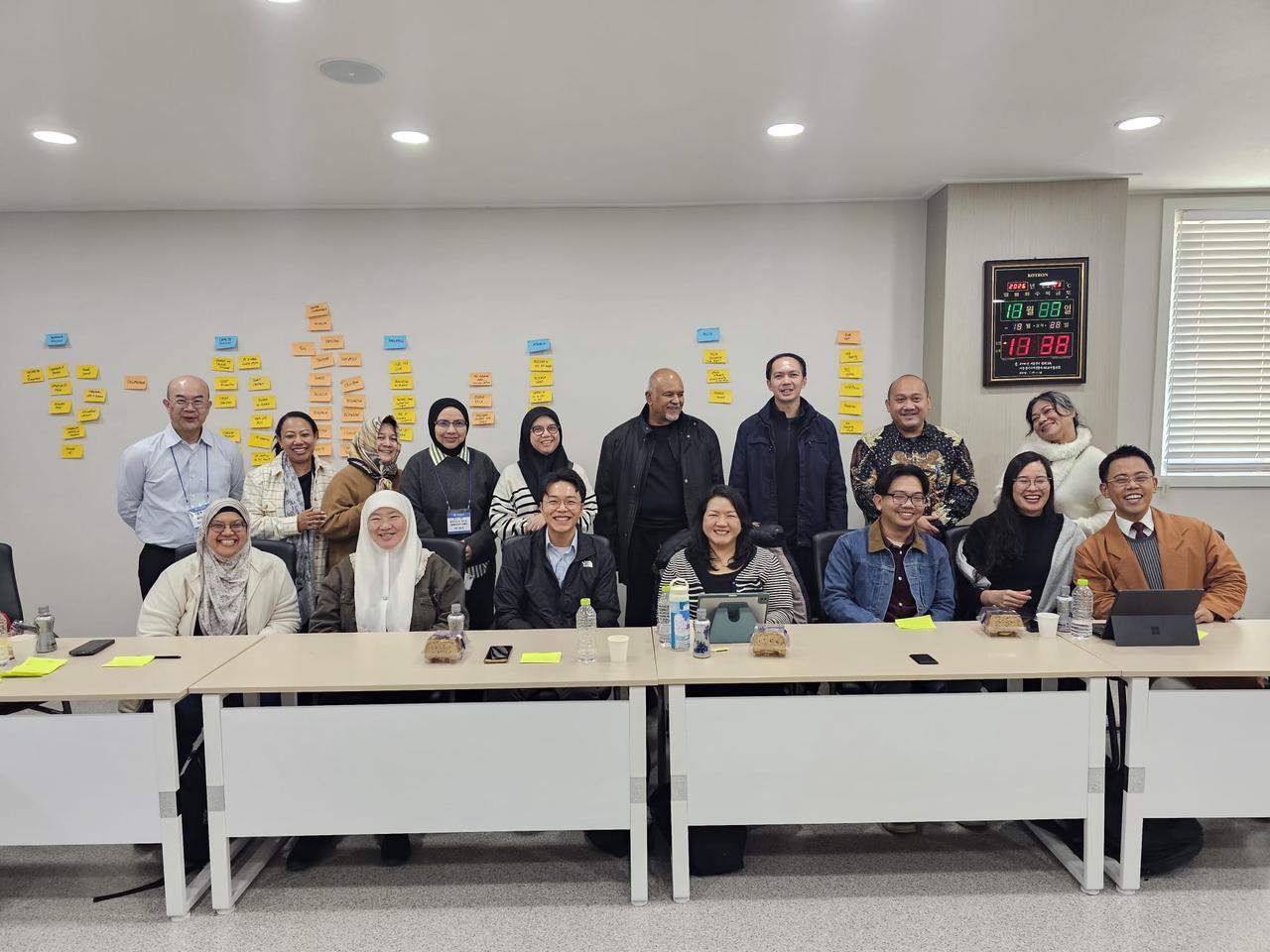
Group photo of workshop participants
During the meetings, the 11 member universities shared their practices and needs in the relevant fields. They highlighted their distinctive strengths in agricultural technology, engineering, educational innovation, language technologies, digital learning platforms and AI talent development. Participants also exchanged views on how to draw on their complementary strengths, share course resources and conduct joint research. Universiti Putra Malaysia, the IIOE Malaysia National Centre, has focused on upskilling and reskilling university teachers, established smart classroom facilities and drawn on its strengths in agricultural sciences to co-develop "AI+AgriTech" micro-certification courses with UNESCO-ICHEI. Chiang Mai University in Thailand shared resources for teachers' digital literacy training and experience from piloting AI-supported microteaching simulations. It also explored opportunities for course localisation into Thai and joint research to support teacher capacity building across the region.
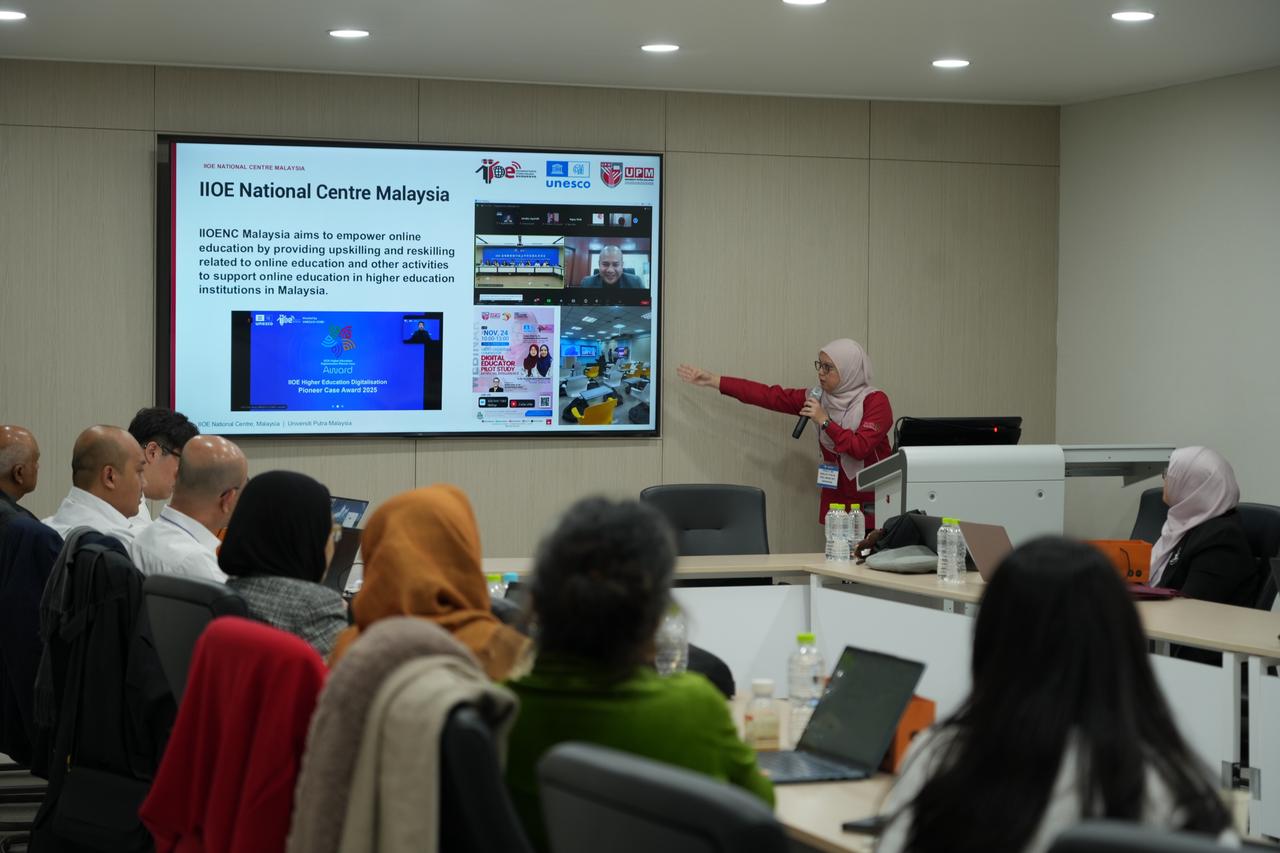
Dr. Nurul Amelina Nasharuddin, Senior Lecturer at Universiti Putra Malaysia and Deputy Director of the IIOE National Centre Malaysia, delivers a presentation
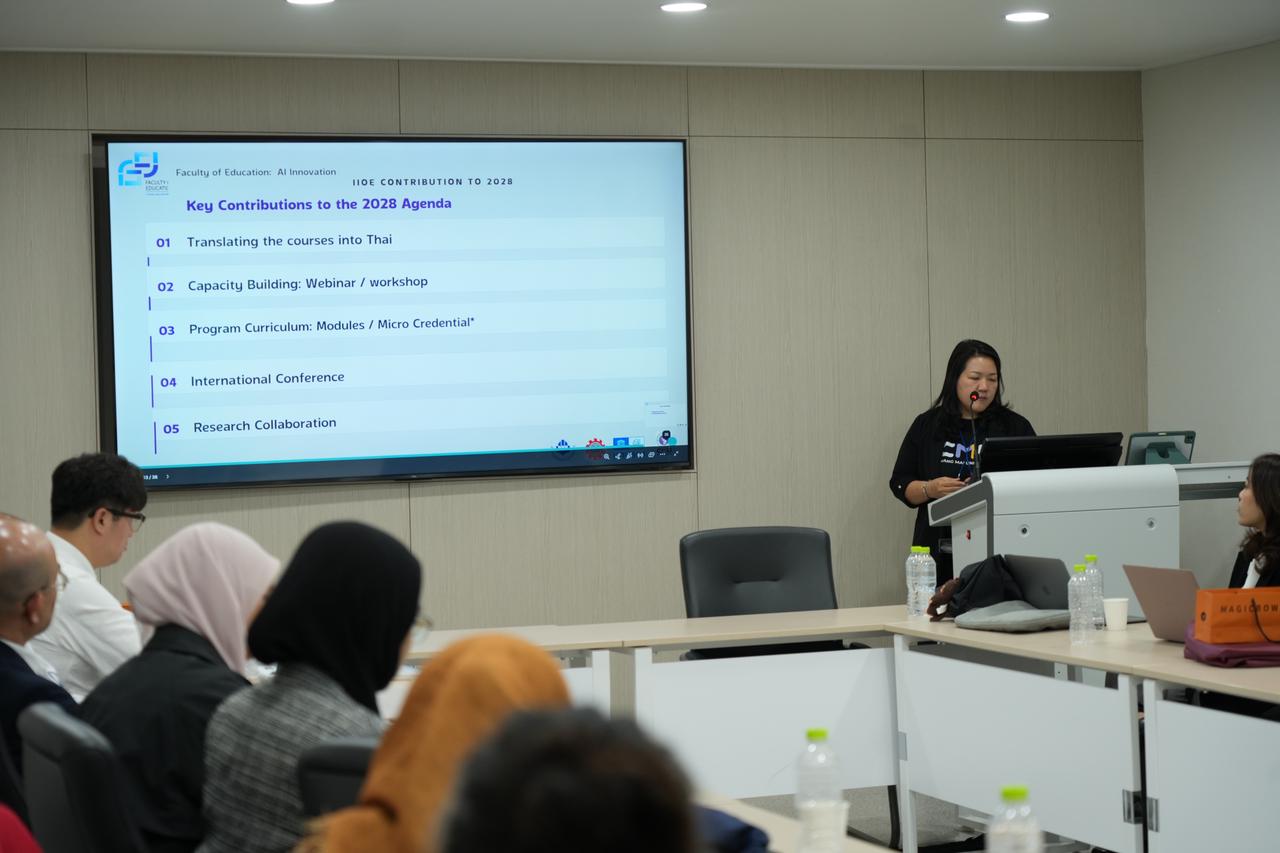
Dr. Janejira Arsarkij, Assistant Dean of the Faculty of Education at Chiang Mai University, delivers a presentation
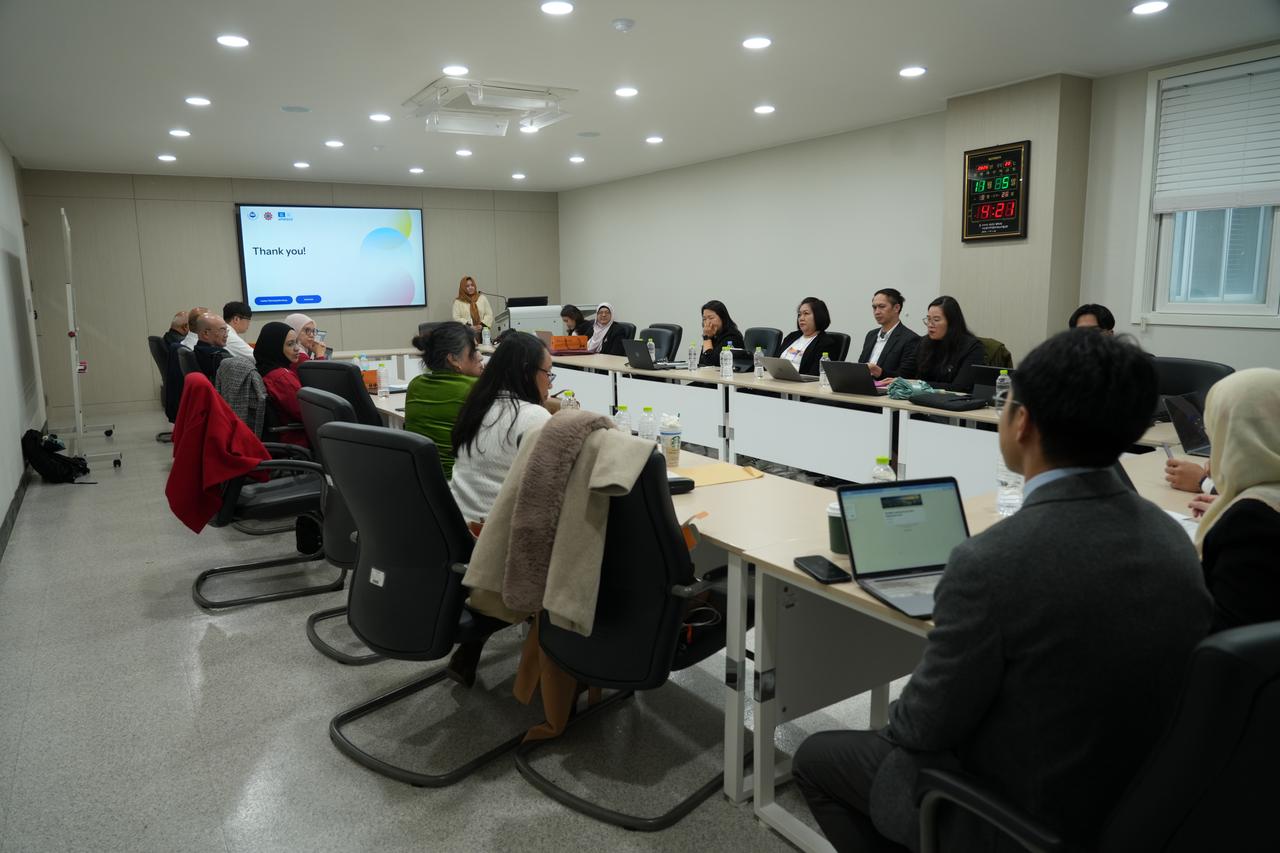 Dr. Allya Paramita Koesoema, Director of Education Development at Institut Teknologi Bandung, delivers a presentation
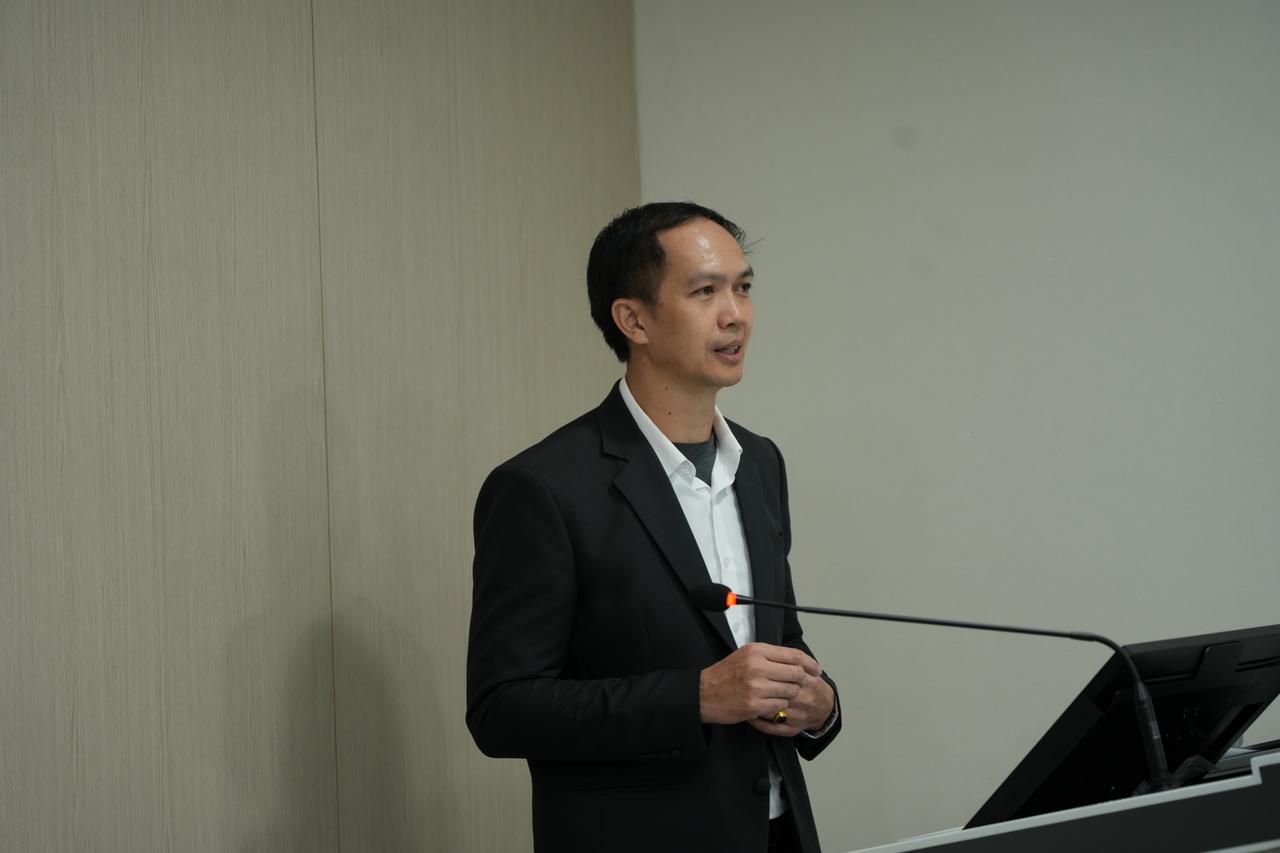
Dr. Vinath Mekthanavanh, Vice Dean of the Faculty of Engineering at Souphanouvong University, delivers a presentation
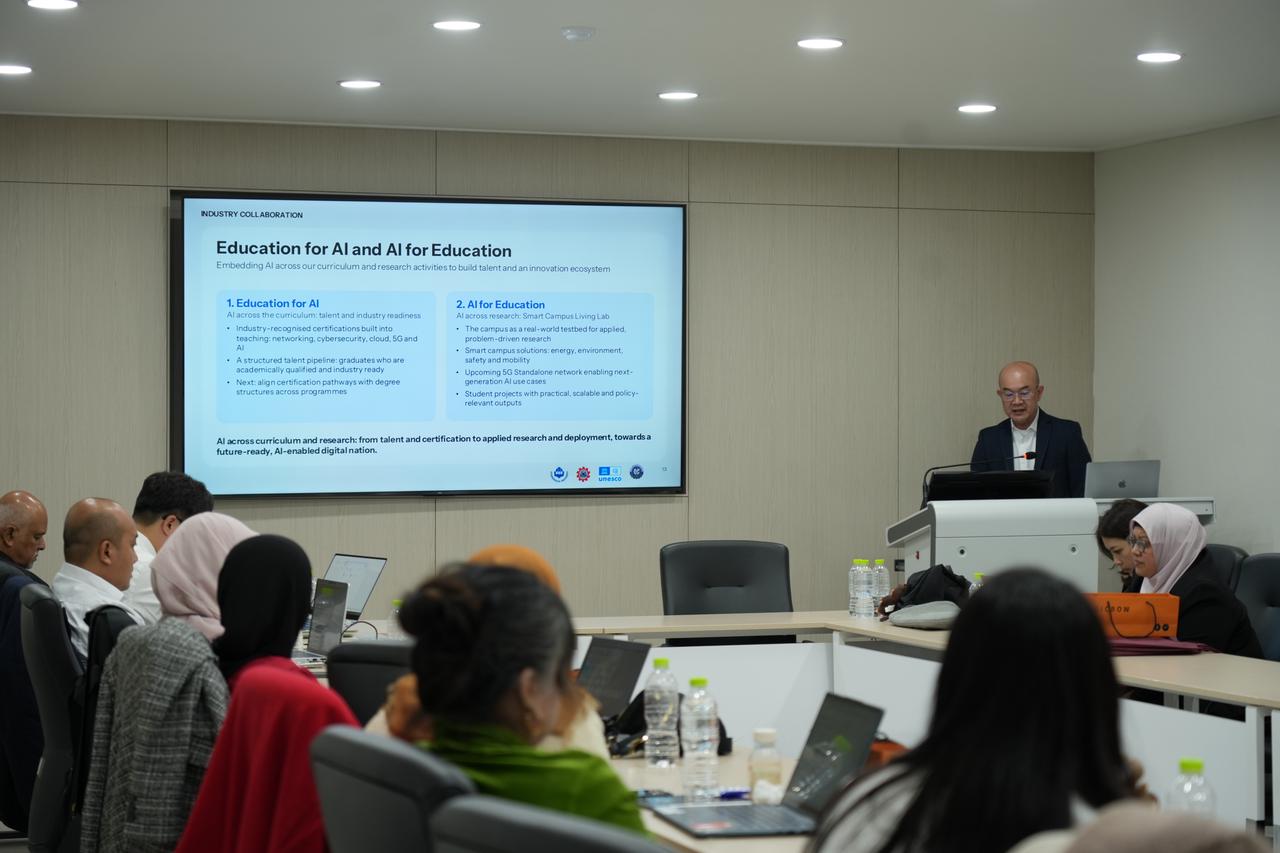
Dr. Mohammad Saiful bin Haji Omar, Assistant Vice-Chancellor (External and Industry Relations) at Universiti Teknologi Brunei, delivers a presentation
Building on the institutional presentations, UNESCO-ICHEI and the SEAMEO Secretariat facilitated a series of workshops. In discussions on the Regional Centre's future strategic role and priorities, the Task Force further defined three core pillars: research and innovation, capacity building and training, and policy engagement. These were endorsed by participants at the plenary session on 10 November. Rather than operating independently, the three pillars should reinforce one another, with research informing capacity building, capacity building supporting innovation in practice, and practical experience informing policymaking.
On regional cooperation mechanisms and governance arrangements, participants highlighted the need to designate institutional focal points and strengthen regular meetings and information-sharing mechanisms to improve communication and collaboration among member universities. They also planned to develop terms of reference for the Task Force, clarifying members' responsibilities, decision-making procedures and working arrangements.
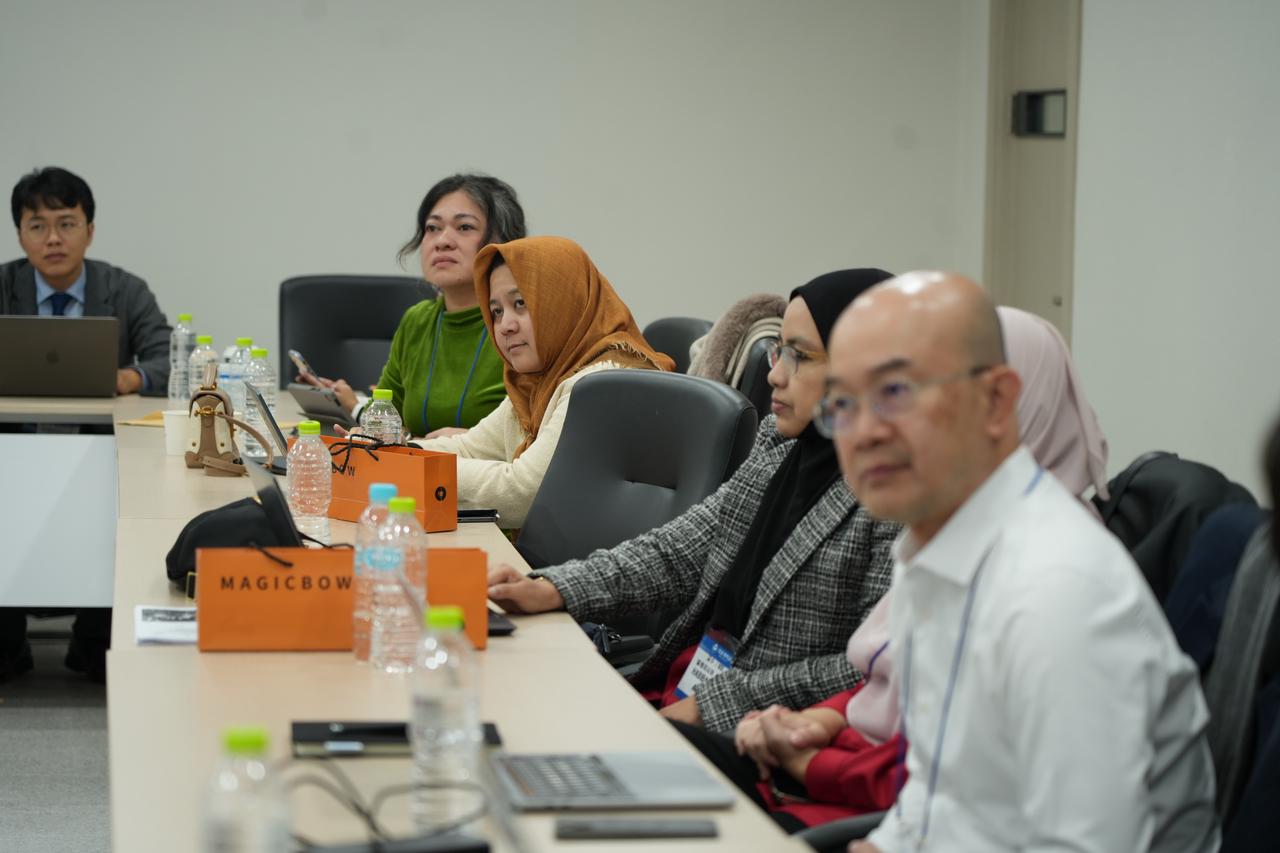
Working meetings and workshops
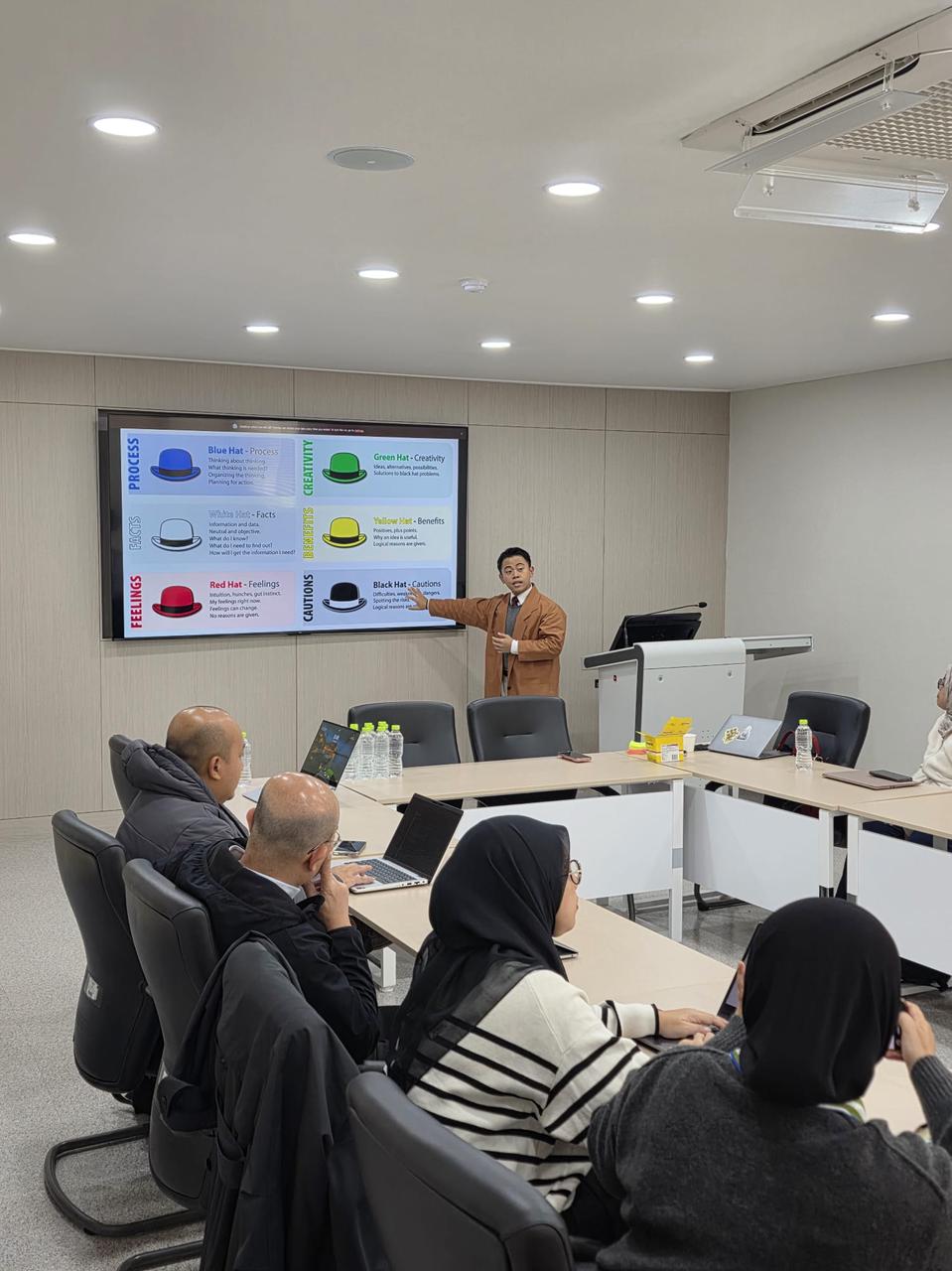
Working meetings and workshops
The programme also included visits to Korean universities and industry institutions. Delegates visited Pohang University of Science and Technology and other institutions to learn about Korean practices in higher education innovation, AI applications, industrial development and talent development, and to explore opportunities for university-industry cooperation. On 11 and 12 November, the delegation participated in the 4th Gumi Education Forum, exchanging experiences in AI and the digital transformation of higher education with representatives from education and industry, and broadening regional cooperation networks.
Delegates visit Pohang University of Science and Technology in the Republic of Korea
The IIOE Southeast Asia Regional Centre is an important platform through which UNESCO-ICHEI and the SEAMEO Secretariat advance the digital transformation of higher education in the region. The training programme enabled member universities to exchange experiences, share resources and build connections, while laying the groundwork for the Regional Centre's strategic planning, programme implementation and cooperation mechanisms. UNESCO-ICHEI will continue to work closely with member universities, drawing on the IIOE global network to connect institutional resources and strengthen capacity building in support of the digital transformation of higher education across Southeast Asia.