From Mission to Action: Gender Equality in the Digital Transformation of Higher Education — UNESCO-ICHEI's Practice
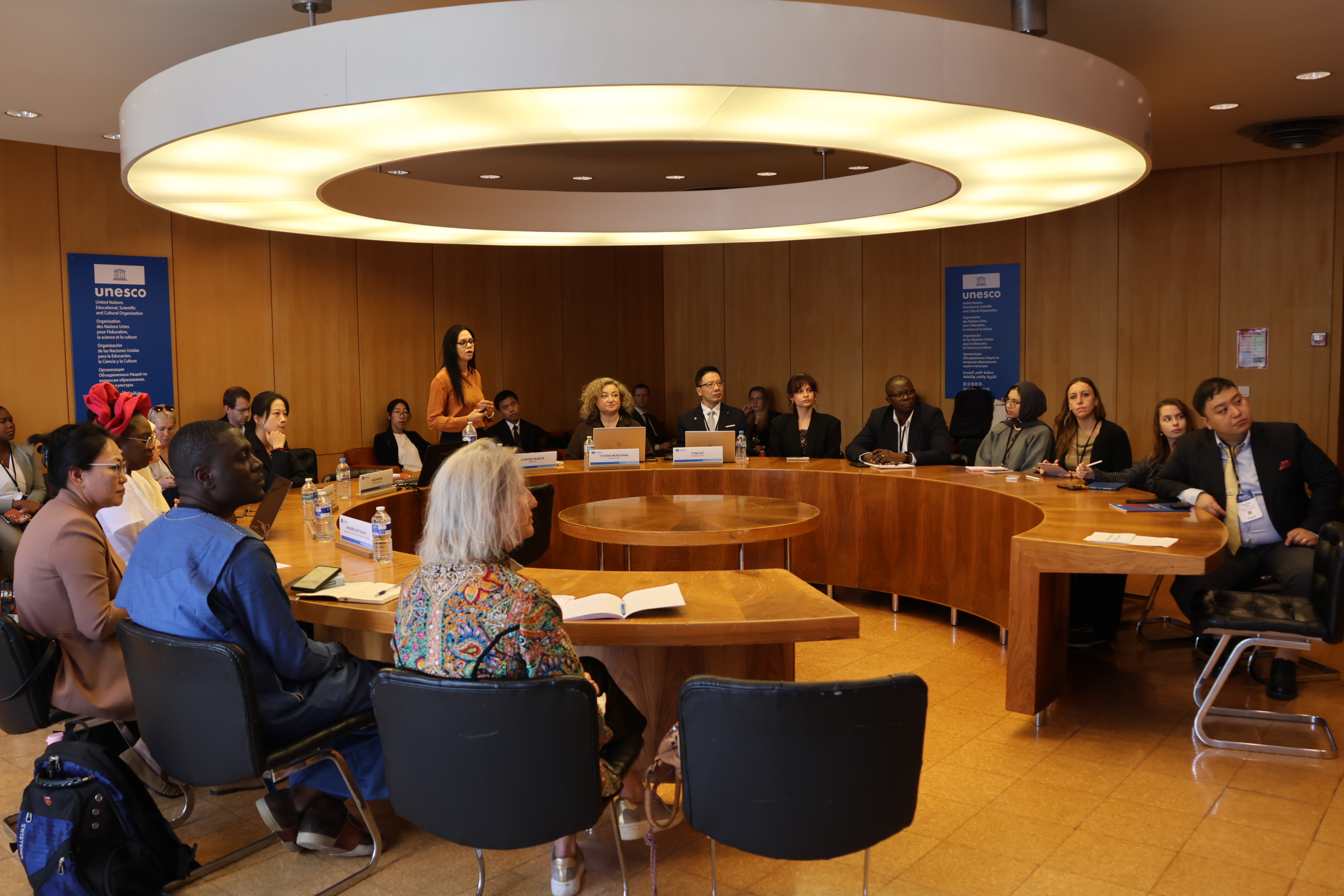
The International Centre for Higher Education Innovation under the auspices of UNESCO (UNESCO-ICHEI) has written gender equality into its institutional mission. Over years of practice, it has transcribed the mission into indicators in programme design, course content and platform, the composition of partner network and the themes of knowledge production. On 10 September 2026, at the UNESCO Headquarters, UNESCO-ICHEI and the UNESCO Institute for Information Technologies in Education (UNESCO IITE) jointly launched the "AI-Enabled Empowerment: Women's Leadership in Higher Education in the Global South" Programme — a new starting point, in the age of AI, for the practice of gender equality that UNESCO-ICHEI has been pursuing for years.

"AI-Enabled Empowerment: Women's Leadership in Higher Education in the Global South" Programme
Starting from the Mission: Gender Equality in the Digital Transformation of Higher Education
Universities do not merely use technology. They also train educators, researchers, engineers, administrators and public decision-makers of the future. Where women appear less often in data production, technology development, curriculum design and policymaking, the technology that results is less likely to reflect their perspectives and needs. A responsible transformation needs to support women in becoming practitioners of educational innovation, participants in technology governance and drivers of institutional change.
Putting it into Practice: the Path of Implementation
Integrating the Gender Perspective in Programme Design and Implementation
In 2016, UNESCO launched the UNESCO-Shenzhen Funds-in-Trust (SFIT) project to strengthen quality assurance in African higher education, with UNESCO-ICHEI commissioned by the Shenzhen Municipal People's Government to help design the project, coordinate its implementation and oversee its results. In delivering capacity-building activities on quality assurance, the project already factored gender into the selection of participants and the design of activities.
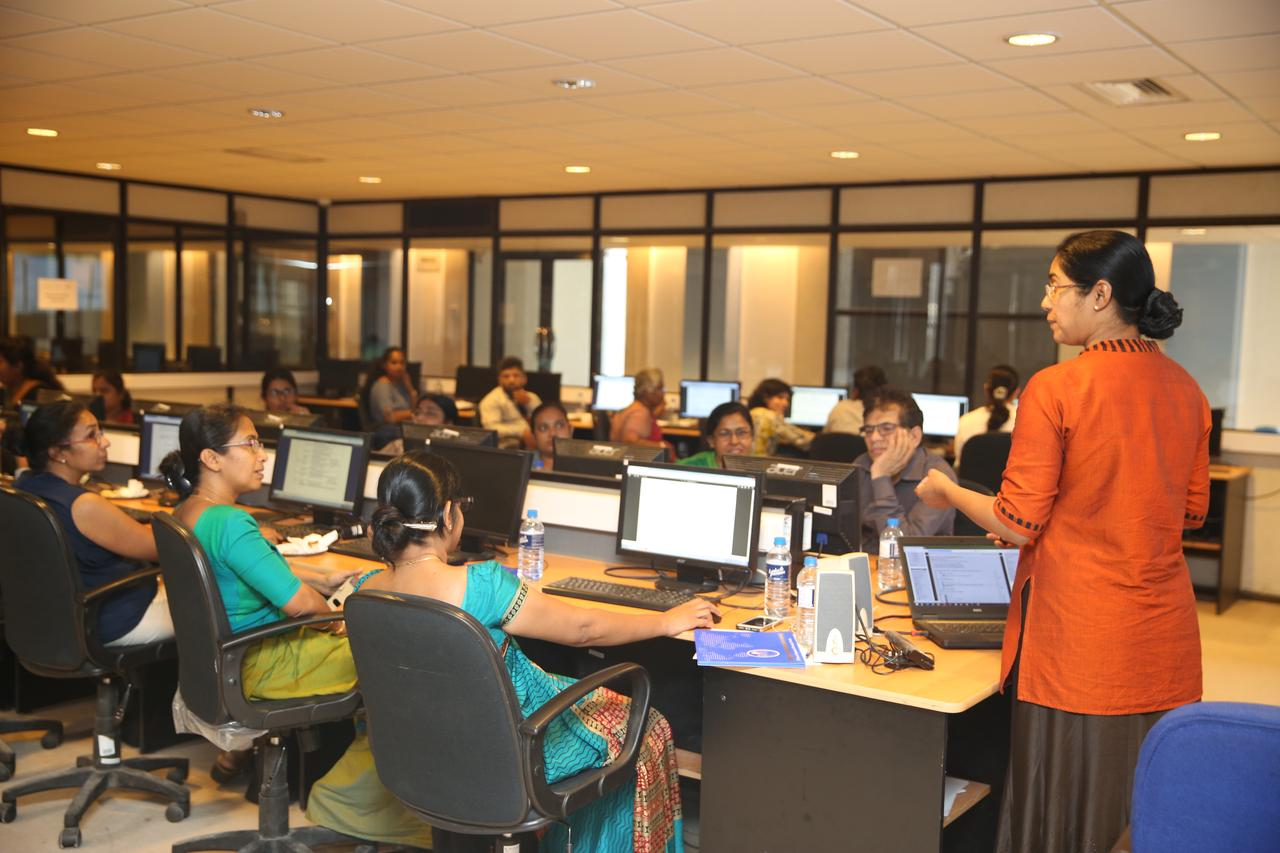
As work on digital transformation progressed, gender indicators entered monitoring and evaluation. The IIOE National Centre pilot project on blended learning, launched in September 2022 across five countries — Egypt, Kenya, Nigeria, Mongolia and Malaysia — was the first to make "the number and percentage of women participating in professional development activities" one of the project's key monitoring and evaluation indicators. The indicator produced tangible progress: Ain Shams University in Egypt brought together 63 key teaching staff from 20 higher education institutions for training in digital pedagogy, more than 60% are women. The Mongolian University of Science and Technology trained 322 teachers from six national universities, of whom 65 were key trainers, 80% are women. At the University of Nairobi, 62 participants completed the training series, 42% are women.

Integrating the Gender Perspective in the IIOE Platform, Courses and Partner Network
In December 2019, UNESCO-ICHEI, in collaboration with partner higher education institutions, enterprises and international organisations, jointly launched the International Institute of Online Education (IIOE). One of the six missions of IIOE is expanding access to quality higher education, with gender and socio-economic equality, for marginalised communities and developing countries.
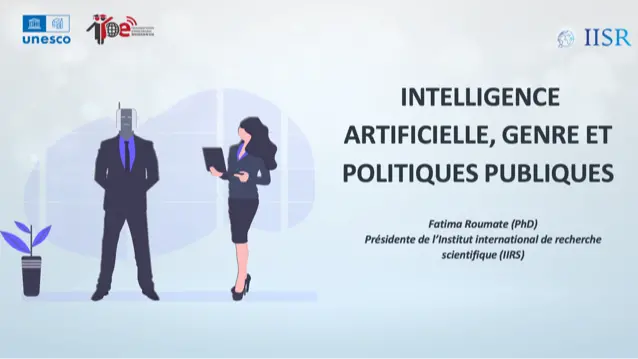
Gender inclusion has been written into the learning content. In 2024, the English micro-certification course AI, Gender and Public Policies was available on the IIOE platform, examining how AI can serve as a shield against gender-based violence and how women's standing in political participation and decision-making can be strengthened. In September 2026, the French-language version of the course was open to learners worldwide. To date the IIOE platform has served nearly 400,000 higher education workforce, with women accounting for more than 40% of participants.
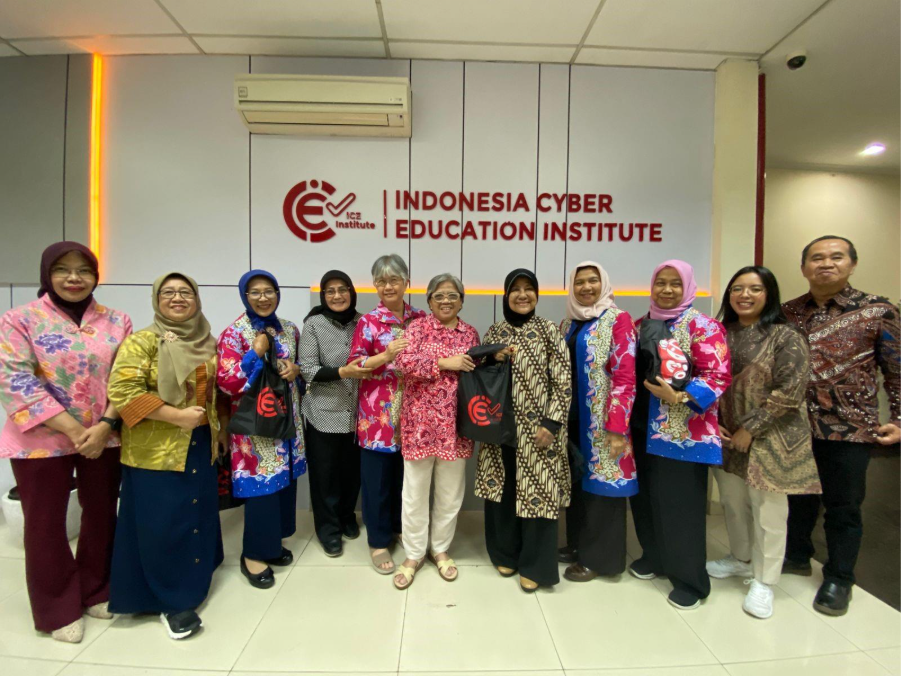
Within the partner network, women are not only participants. At a number of partner institutions and IIOE National Centres, predominantly women-led operational teams are taking part in course design, programme coordination and localised delivery. At the IIOE Indonesia National Centre, the Indonesia Cyber Education Institute, a predominantly women-led team coordinates eight local higher education institutions in developing localised micro-certification courses, with particular attention to the digital and AI literacy of women in remote areas. At the IIOE Malaysia National Centre, Universiti Putra Malaysia, women make up more than half of the core team; the IIOE Malaysia National Centre worked with UNESCO-ICHEI on a joint "AI+AgriTech" micro-certification programme and delivered "Smart Agriculture Digital Platform Application" training for rural women smallholder farmers. In June 2026, UNESCO-ICHEI and the Southeast Asian Ministers of Education Organization (SEAMEO) jointly established the IIOE Southeast Asia Regional Centre, which is now working to embed a gender perspective in the design and implementation of regional programmes.
Integrating the Gender Perspective in Dialogue, Recognition and Knowledge Production
Lasting change also depends on letting experience from the field travel into wider conversations.
Those conversations began with webinars and later extended into policy dialogue. In October 2022, UNESCO-ICHEI and the IIOE Pakistan National Centre, the University of Engineering and Technology, Lahore, jointly convened the global webinar Gender Equality for Inclusive Higher Education: Female Leadership in STEM, sharing the stories of women leaders in science and technology. Women's leadership has since become a standing theme of webinars across IIOE partner institutions. In December 2024, the Africa High-Level Policy Dialogue was held in Dakar, Senegal, where the project "Women Leading Change in Africa: Future Higher Education Professionals and Leadership in the Intelligence Era" was formally launched. Policy dialogues and international conferences have carried the discussion of gender equality up to the decision-making level, making practice on the ground the pivot of policy debate.

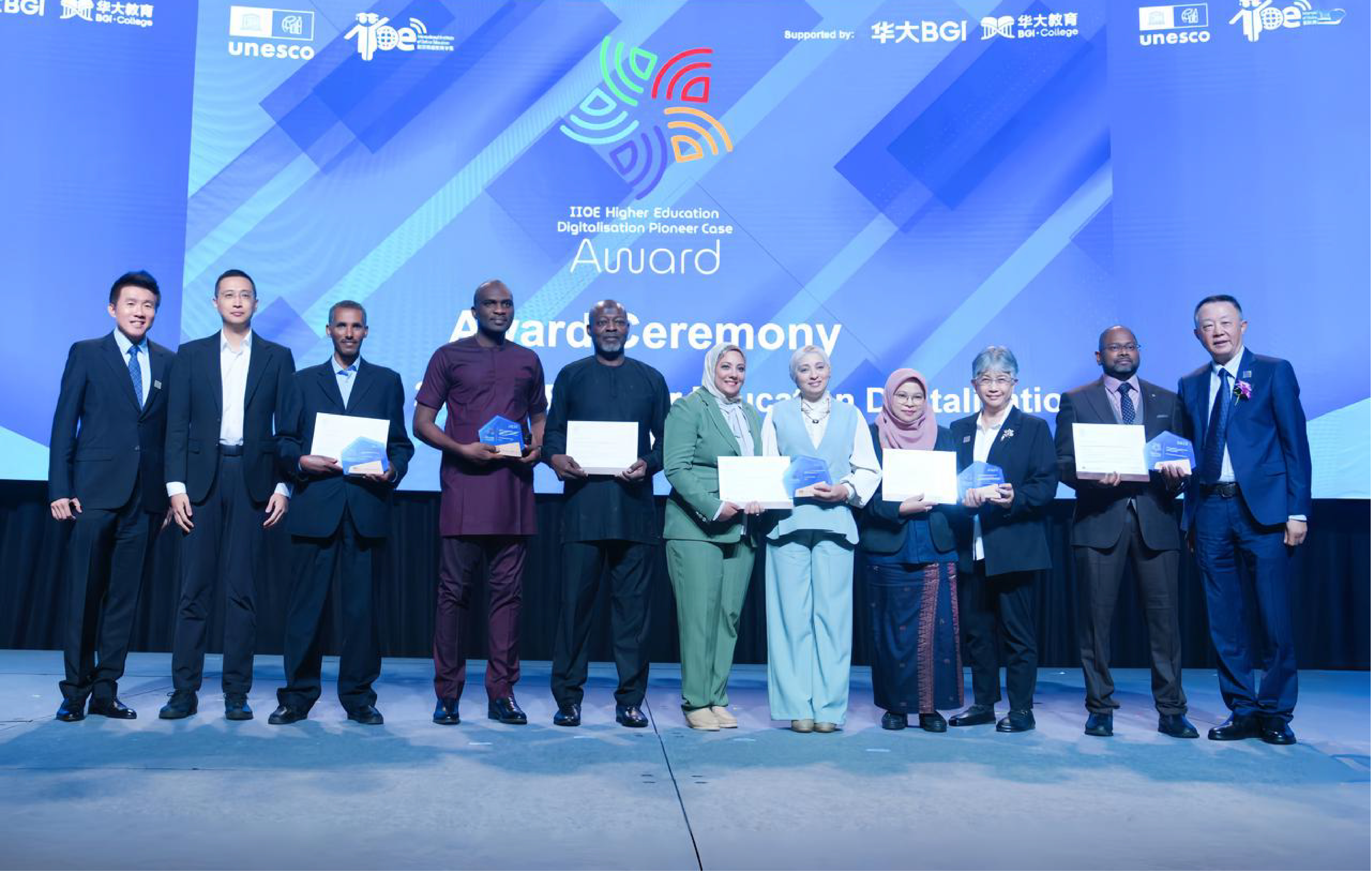
The next step was to use recognition to write inclusion into quality assessment. In 2023, UNESCO-ICHEI established the IIOE Higher Education Digitalisation Pioneer Case Award (the Pioneer Award) to share and encourage best practices in digital transformation. The Pioneer Award makes equity and inclusion one of its judging criteria, with particular attention to the empowerment of under-represented groups and female academics, turning inclusion into one of the yardsticks by which the quality of a project is measured.
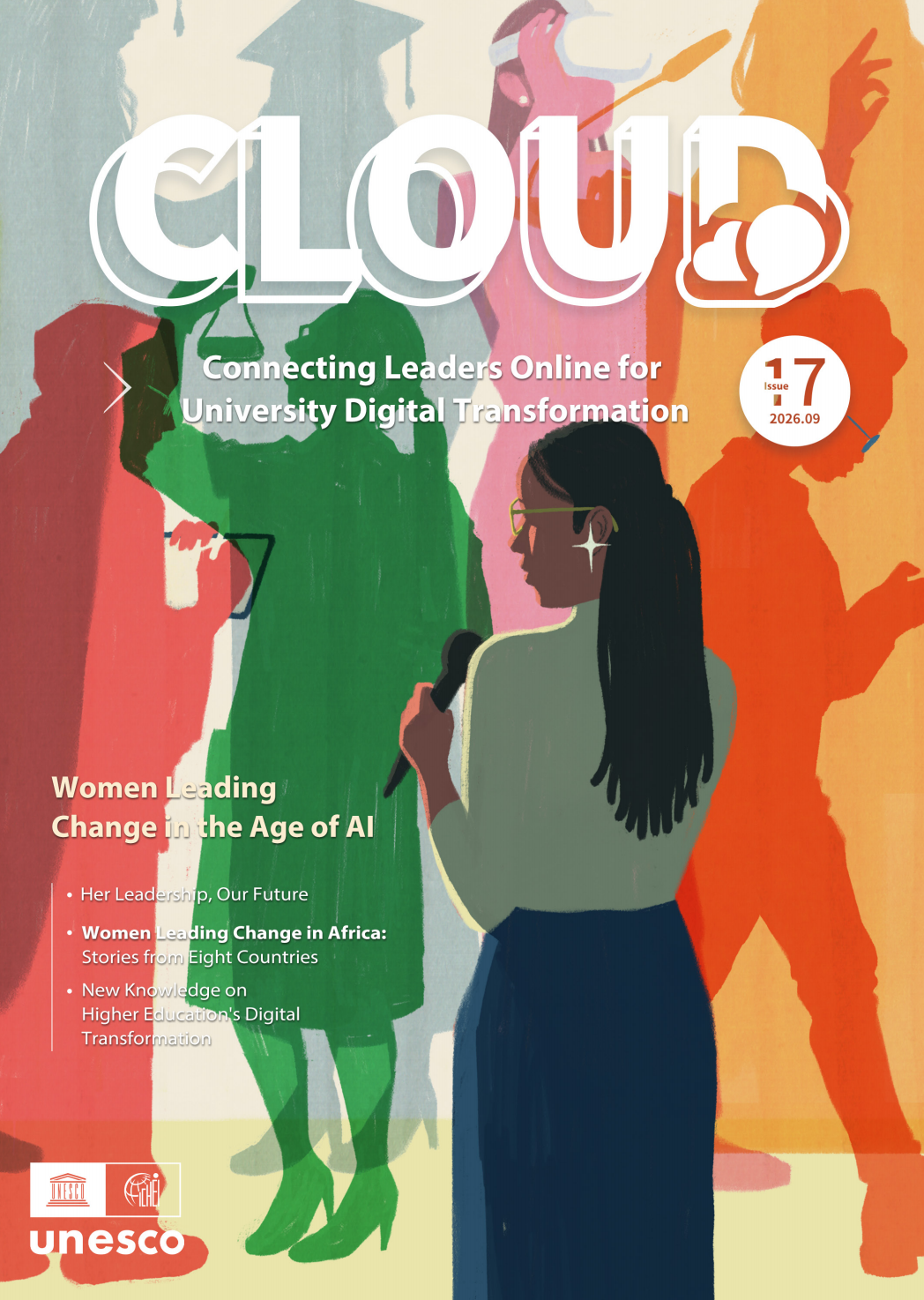
Beyond practice itself, knowledge production allows experience to settle and to travel. CLOUD, UNESCO-ICHEI's flagship magazine, has continued to record the experiences of women educators in different countries, drawing on stories and data to examine the relationship between women's empowerment and the development of higher education; combined with case studies, reviews of practice and policy recommendations, it turns what one institution has done into a methodology others can draw on. Issue 17 of CLOUD focuses on the "Women Leading Change in Africa" project, presenting cases from the work UNESCO IITE, UNESCO-ICHEI and African partner institutions have taken forward together. (See also: CLOUD Issue 17 Officially Released | Women Leading Change in the Age of AI)
Over the course of a decade, a gender perspective has been progressively incorporated into programme design, implementation, monitoring, knowledge production and the building of partner networks, becoming a systemic dimension of UNESCO-ICHEI's work on the digital transformation of higher education.
A New Starting Point: From Africa's Experience to the Global South
On 10 September 2026, the "AI-Enabled Empowerment: Women's Leadership in Higher Education in the Global South" Programme was officially launched during UNESCO Digital Learning Week 2026. Jointly initiated by UNESCO-ICHEI and UNESCO IITE with the support of UNESCO Headquarters, the programme is built around three strands — AI capacity building, women's leadership development and cross-regional knowledge sharing — and will offer higher education institutions across the Global South a platform for regional dialogue, professional development and cooperation. Building on the results of the "Women Leading Change in Africa" project jointly initiated by UNESCO-ICHEI and UNESCO IITE in 2024 (see also: Practice and Growth: Women in Africa's Higher Education Workforce in the AI Era — First-Hand Experience from UNESCO-ICHEI's Women Leading Change in Africa Project), it extends Africa's experience to more countries of the Global South and empowers a growing number of women in the higher education workforce.
The programme continues to respond to Sustainable Development Goal 4, and in particular to its target of ensuring "equal access for all women and men to affordable and quality technical, vocational and tertiary education, including university", and seeks to offer a model of action for implementing UNESCO's global priority Gender Equality. Looking ahead, UNESCO-ICHEI will work with IIOE partners worldwide to empower more women in the higher education workforce, so that they not only take part in the digital transformation of higher education in the age of AI, but lead it.