Looking Back at 2025 | ICHEI Achievements in Localisation and Industry-Academia Integration and Beyond
In 2025, the International Centre for Higher Education Innovation Under the auspices of UNESCO (UNESCO-ICHEI) marked a fruitful year that aligned with the UN Sustainable Development Goal 4. Leveraging Shenzhen's advanced digital industry and responding the demand for digital transformation in developing countries, UNESCO-ICHEI continuously empowered higher education institutions(HEI) through technological innovation and enhanced the digital and artificial intelligence (AI) competencies of the higher education workforce. Throughout the year, UNESCO-ICHEI remained committed to pragmatic action. Building upon the established ecosystem of the International Institute of Online Education (IIOE), it deepened the localisation mechanisms for competency building courses and trainings. By forging stronger ties with the industrial sector, UNESCO-ICHEI effectively established an integrated "course learning – skill certification – career placement" education-industry pathway.
In collaboration with our partner organisations, our joint endeavours have extended across 19 countries and seven sub-regions globally. We have promoted the integration of IIOE Micro-Certifications into institutional teacher training systems, launched empowerment action plans with IIOE National Centres, and introduced DeepSeek on IIOE (DS-I) teaching assistant function on the IIOE platform. These efforts have cumulatively advanced the digital and AI competencies of over 17,000 African educators. The partner network of UNESCO-ICHEI continues to expand, now comprising over 130 partner institutions, 55 international organisations, and more than 40 technology enterprises. Together, we are bridging turbulent currents through concrete actions, contributing to the achievement of UN Sustainable Development Goal 4 (the Education 2030 Agenda).
Action First: Driving the Scale-Up of IIOE Micro-Certification Training through Localisation
The past year witnessed a qualitative transformation in the localisation of the International Institute of Online Education (IIOE), with its training scale steadily expanding.
The frontier curriculum, coupled with customisation by IIOE National Centres and partner institutions, has rendered IIOE micro-certification training highly welcomed by HEIs and their host countries. It has been integrated more deeply into the capacity building and certification frameworks for higher education faculty in several countries and HEIs, establishing itself as a core component in driving the digital transformation of higher education. To date, the IIOE micro-certification initiative has trained nearly 11,000 individuals via the IIOE platform. Beyond the platform, it has achieved notable success in several other countries and regions.
Egypt: The IIOE Egypt National Centre (Ain Shams University) established a localised network covering 26 universities. It configured courses tailored to local training needs on the IIOE Egypt National Centre Portal and integrated IIOE micro-certification training into the national teacher assessment and promotion system, creating a sustainable mechanism. This has benefited over 3,800 educators.
Mongolia: The IIOE Mongolia National Centre (Mongolian University of Science and Technology) designed a "Training of Trainers" programme and translated IIOE courseware into Mongolian, leveraging core faculty to promote the integration and application of AI in higher education. IIOE micro-certifications have not only become part of the professional development curriculum for faculty at the Mongolian University of Science and Technology but have also been embedded into the university's master's degree credit-bearing courses.
Kazakhstan: The Kazakh National Centre for Professional Development "Orleu" localised and translated into Kazakh the AI curriculum co-developed by UNESCO-ICHEI and the UNESCO Institute for Information Technologies in Education (UNESCO IITE). This course has been incorporated into the national in-service teacher training system, with over 320,000 teachers enrolled and 250,000 having completed the certification.
East Africa: Based on regional needs, the Inter-University Council for East Africa (IUCEA) independently designed a customised training pathway. It organised in-person training workshops and, by leveraging online resources, extended the training to over 140 member institutions under the IUCEA. The inaugural training cohort has reached nearly 600 participants.
Nigeria and Zambia: The IIOE Nigeria National Centre (Ahmadu Bello University) and the IIOE Zambia National Centre (Mulungushi University) employed a blended "online + offline" training model to address challenges related to uneven distribution of local educational resources. This approach ensured the inclusivity and accessibility of the training, empowering approximately 2,900 and 1,800 higher education faculty members in each country respectively.

The IIOE Egypt National Centre independently conducted training sessions
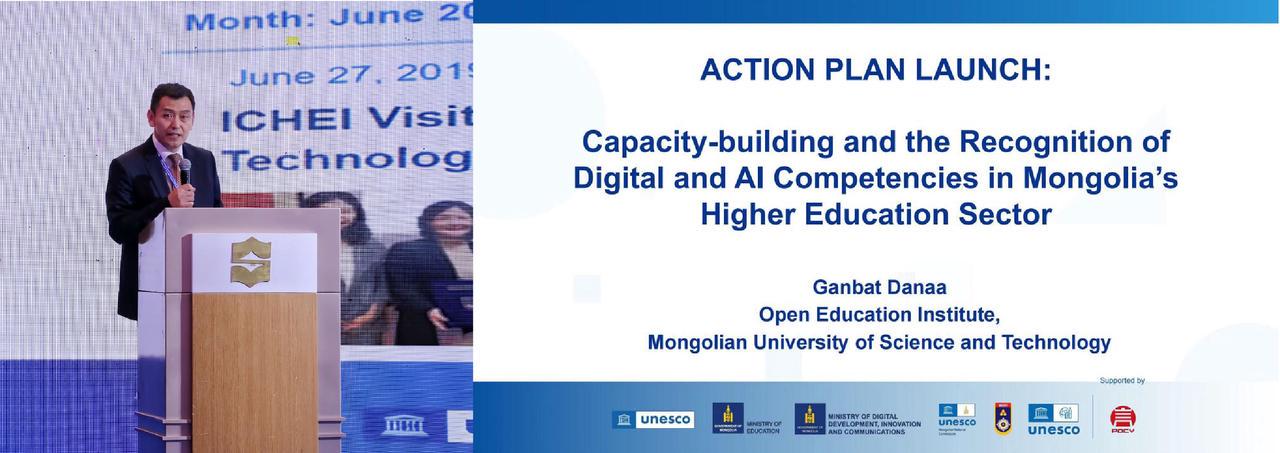
The IIOE Mongolia National Centre launched an action plan

The Kazakh National Centre for Professional Development "Orleu" carried out training based on the localised AI curriculum

The IIOE Nigeria National Centres conducted their respective training programmes
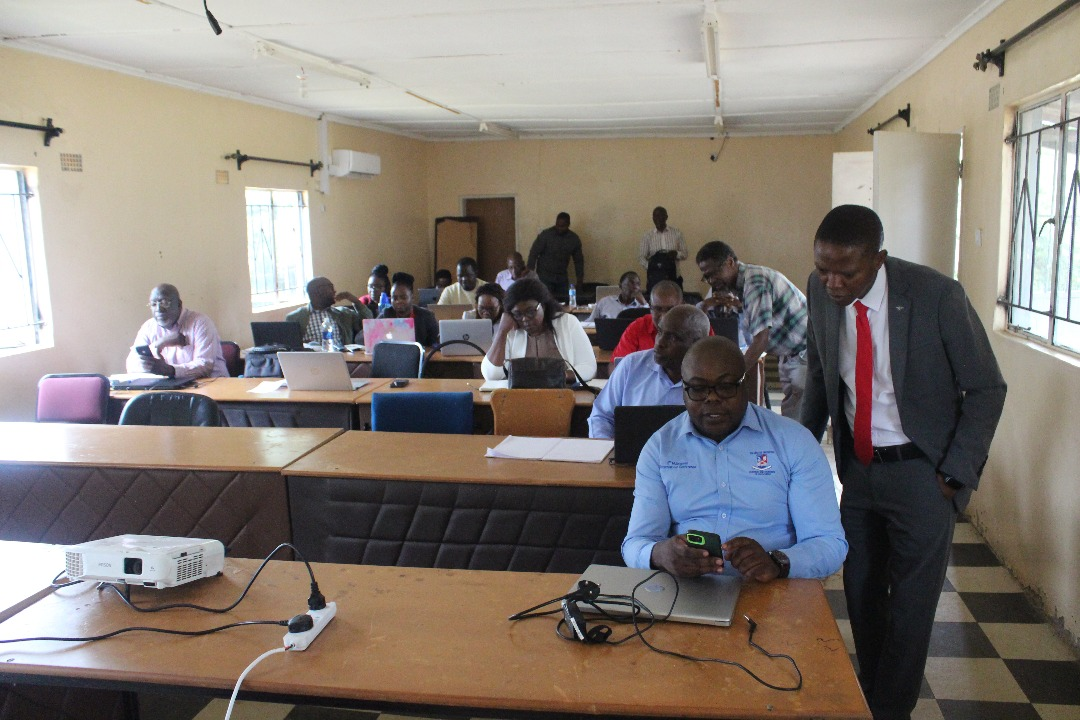
The IIOE Zambia National Centre conducted training
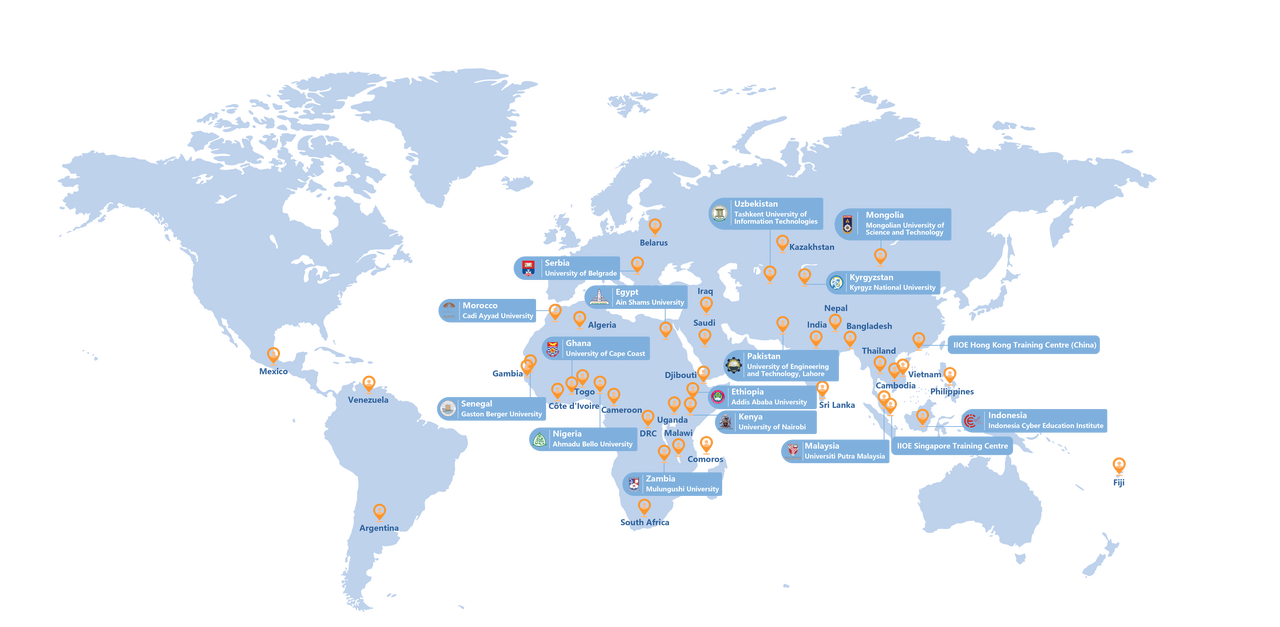
In 2025, UNESCO-ICHEI actively responded to UNESCO’s global priority of "Priority Africa" and aligned itself with China’s national strategies by deepening innovation cooperation in higher education with African countries. Through locally-grounded initiatives and pragmatic cooperation, UNESCO-ICHEI promoted inclusive educational development.
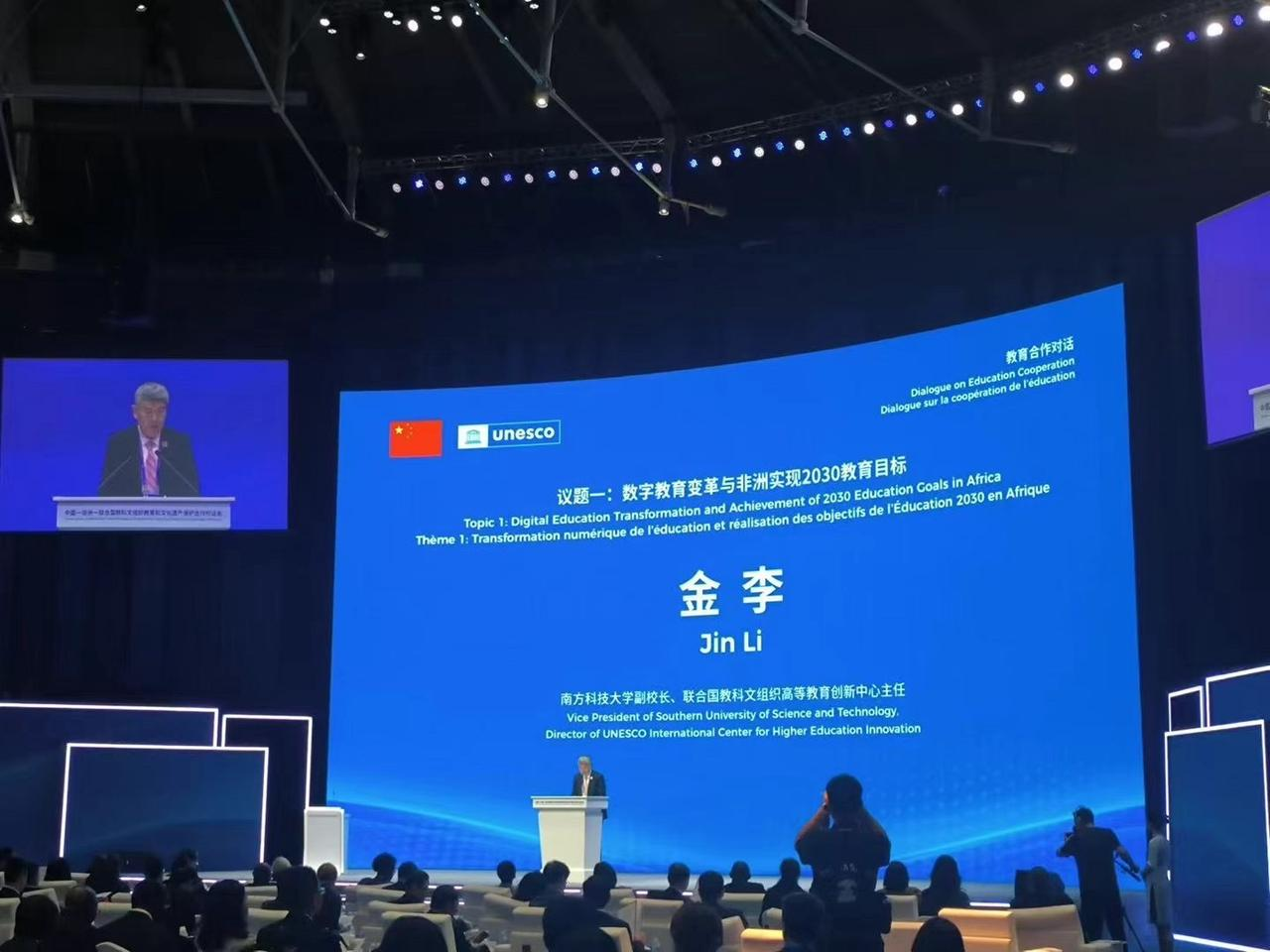
Promoting Gender Equality: Empowering Female Higher Education Professionals in Africa
In 2025, the project "Women Leading Change in Africa: Future Higher Education Professionals and Leadership in the Intelligence Era"initiative , jointly launched by the UNESCO-ICHEI and UNESCO IITE, actively advanced UNESCO's global priority of "Gender Equality." The project aims to be implemented in at least 10 African countries between 2025 and 2027. Currently, agreements have been signed with seven institutions. In the process of digital development in Africa, the project strives to ensure women are "seen", enabling more women to practice, participate in, and lead the integration of digital technologies and AI in higher education.
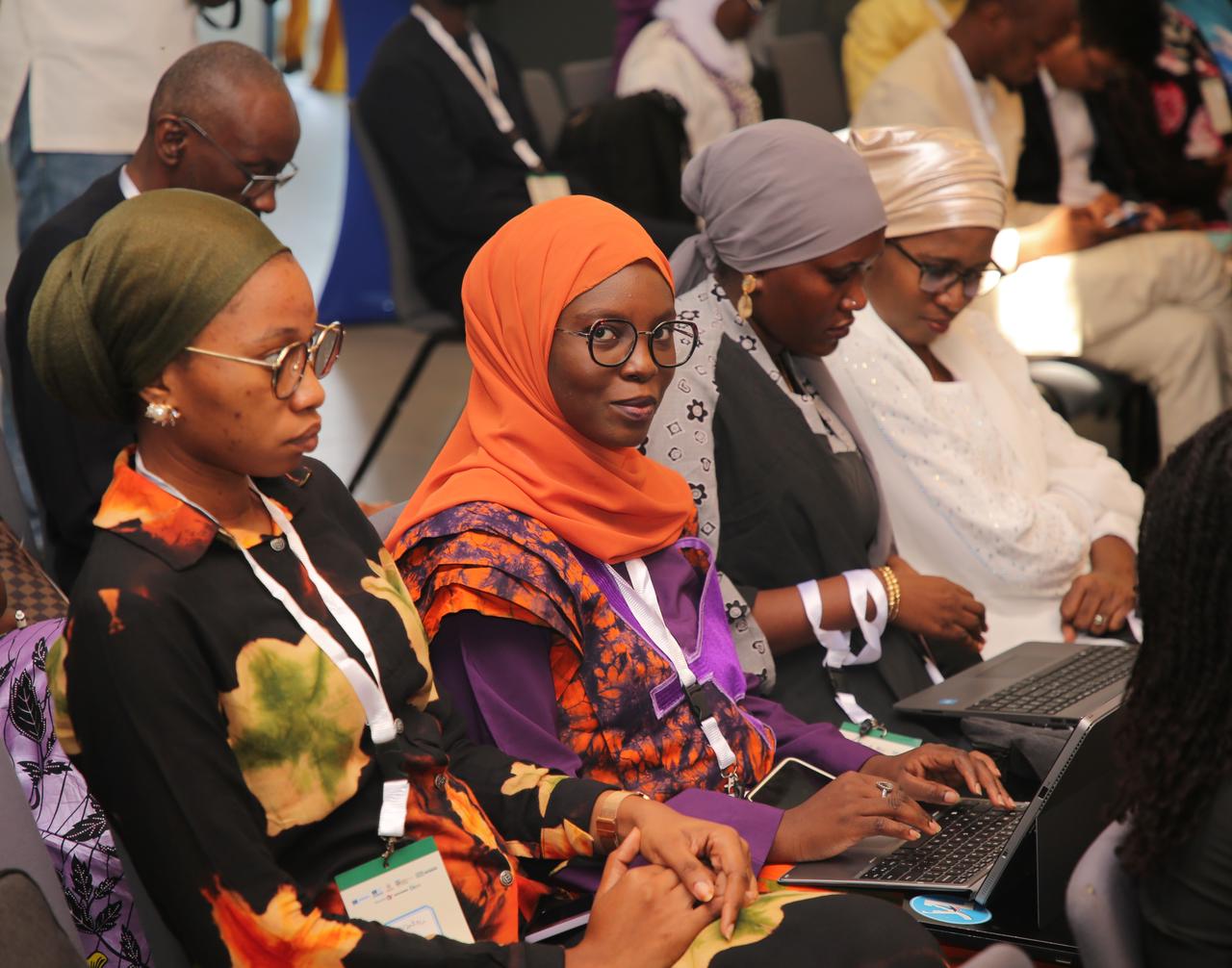
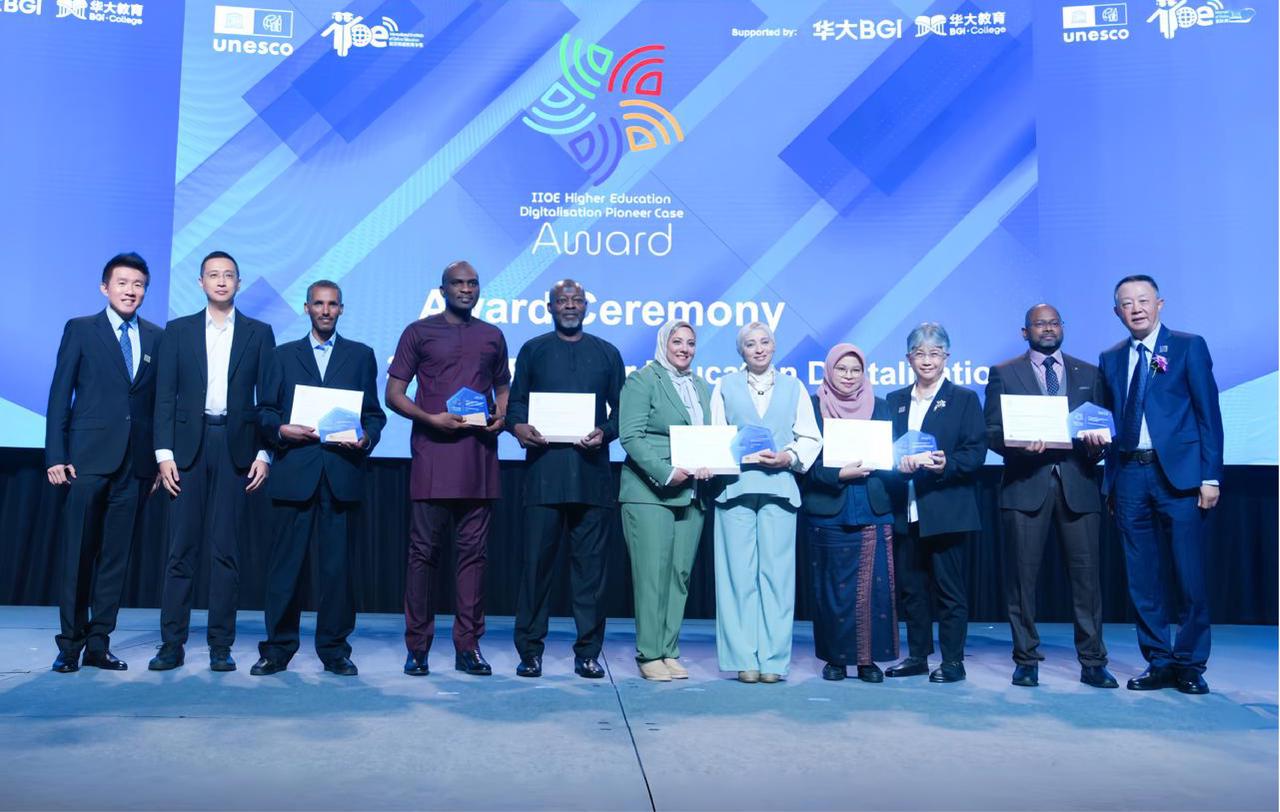
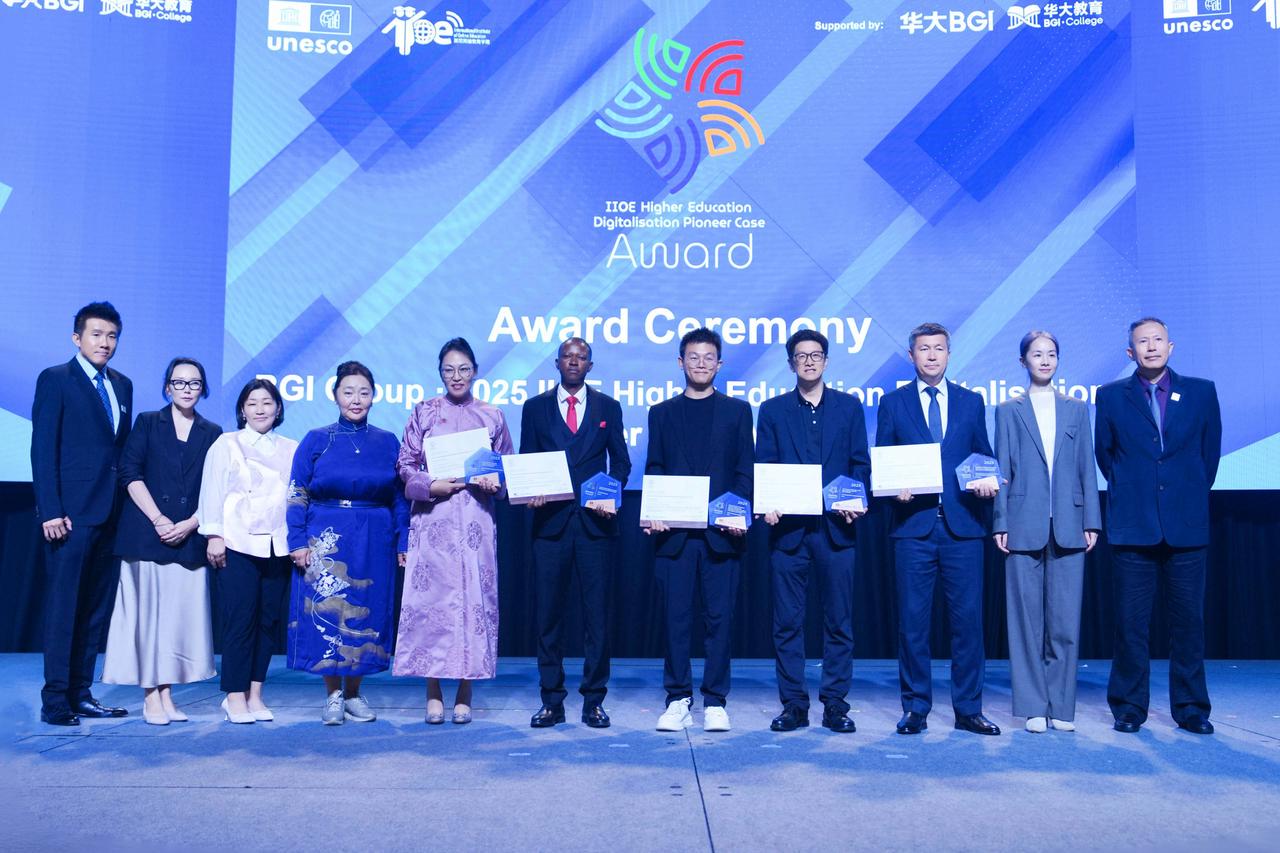
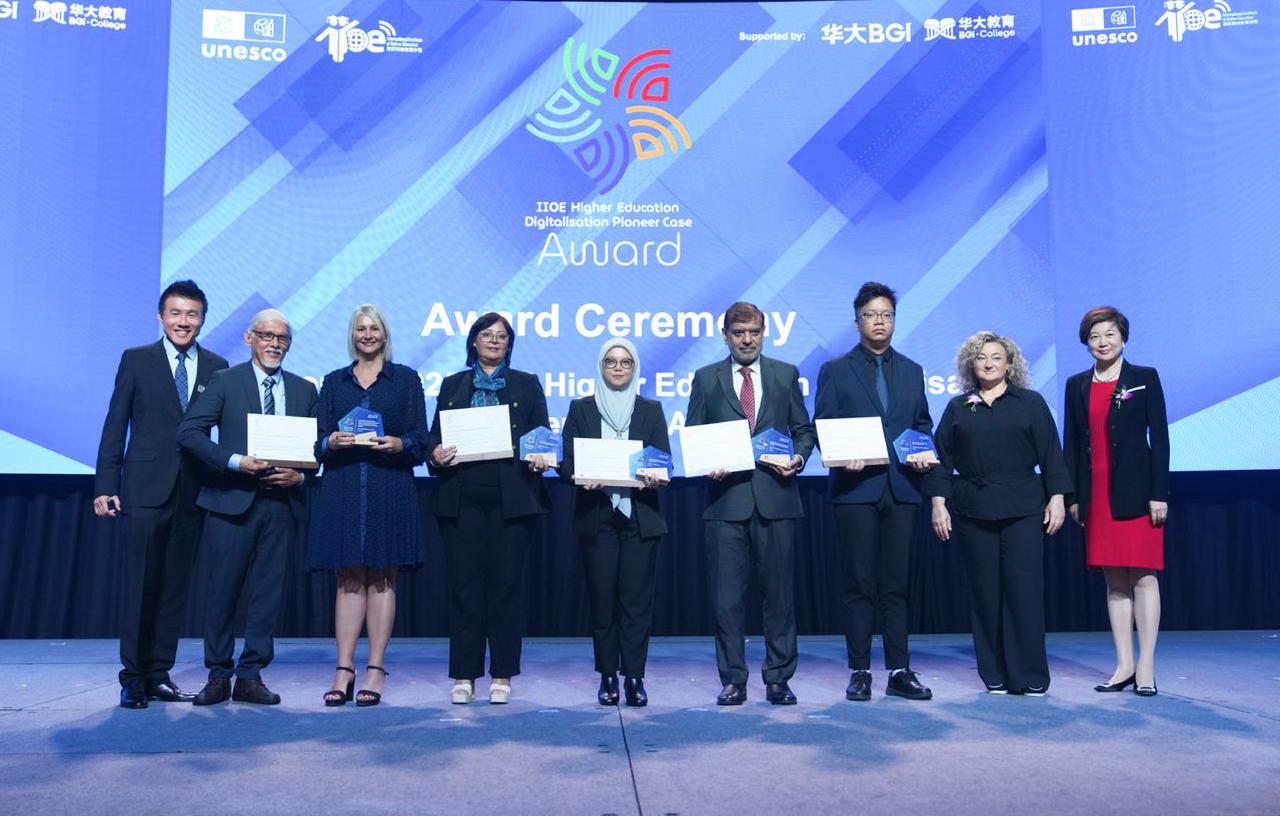
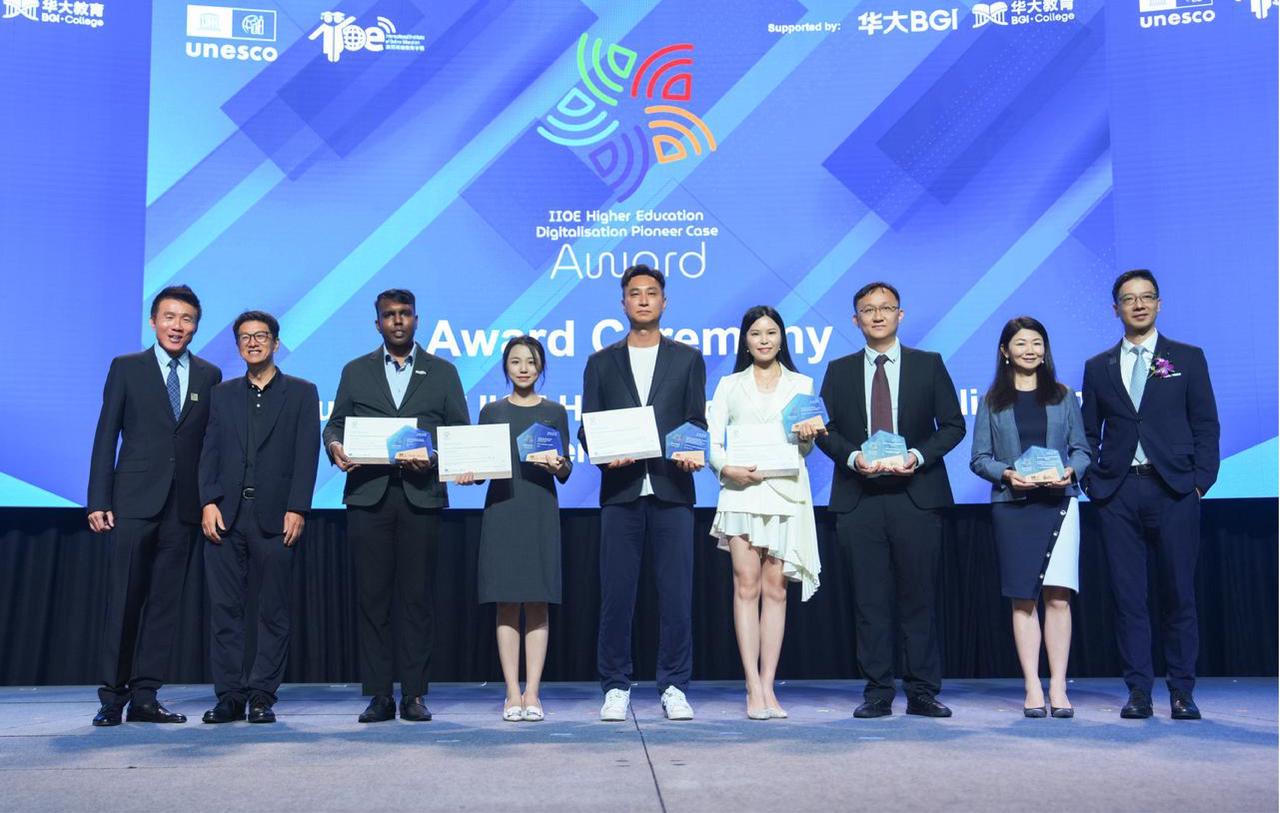
Pioneer Models: Showcasing the Transformative Digital Transformation in Higher Education of the Global South
The sustained operation of the Pioneer Award signifies an important evolution within the IIOE ecosystem: we are no longer just disseminators of knowledge, but also discoverers and amplifiers of global best practices in educational digitalisation.
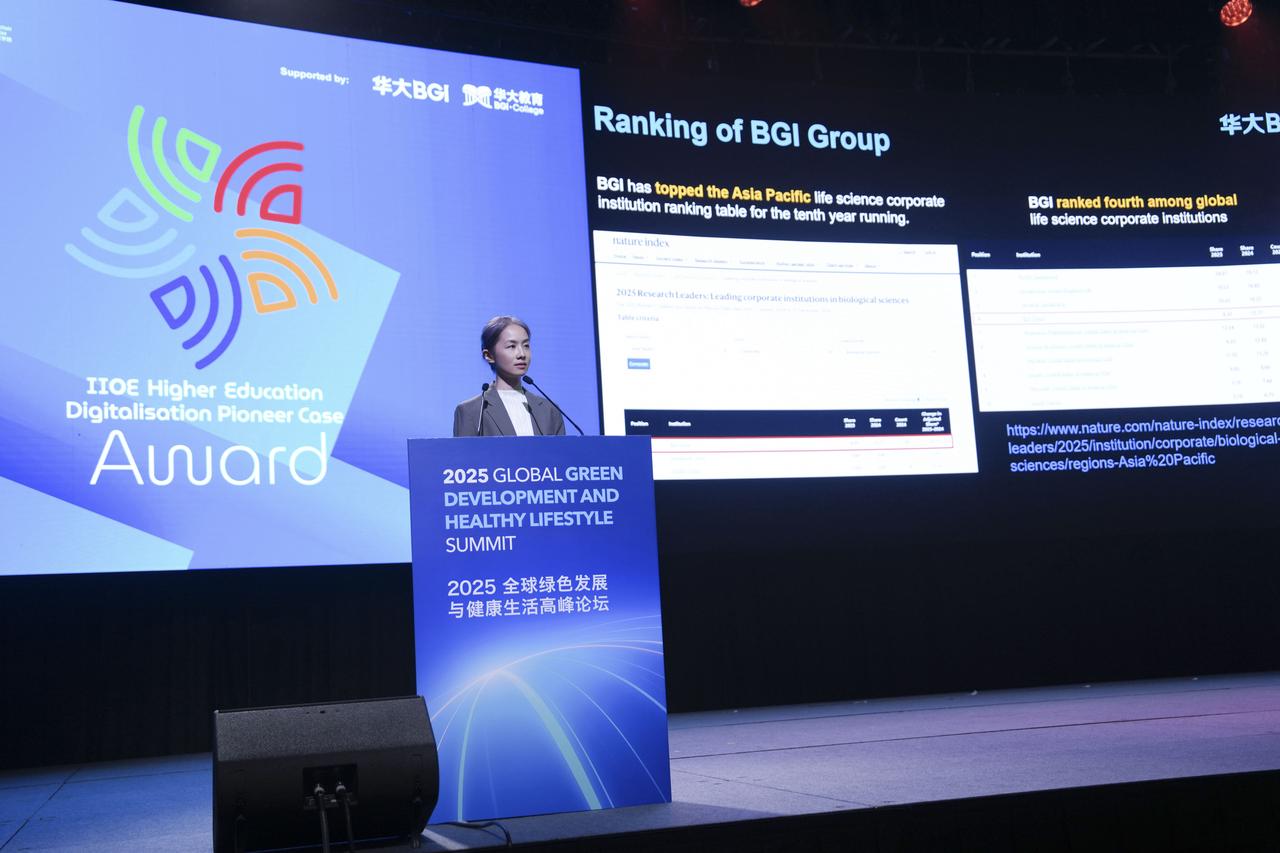
Mechanism-Driven Leadership: Establishing High-Level Regional Multilateral Policy Dialogue Platforms
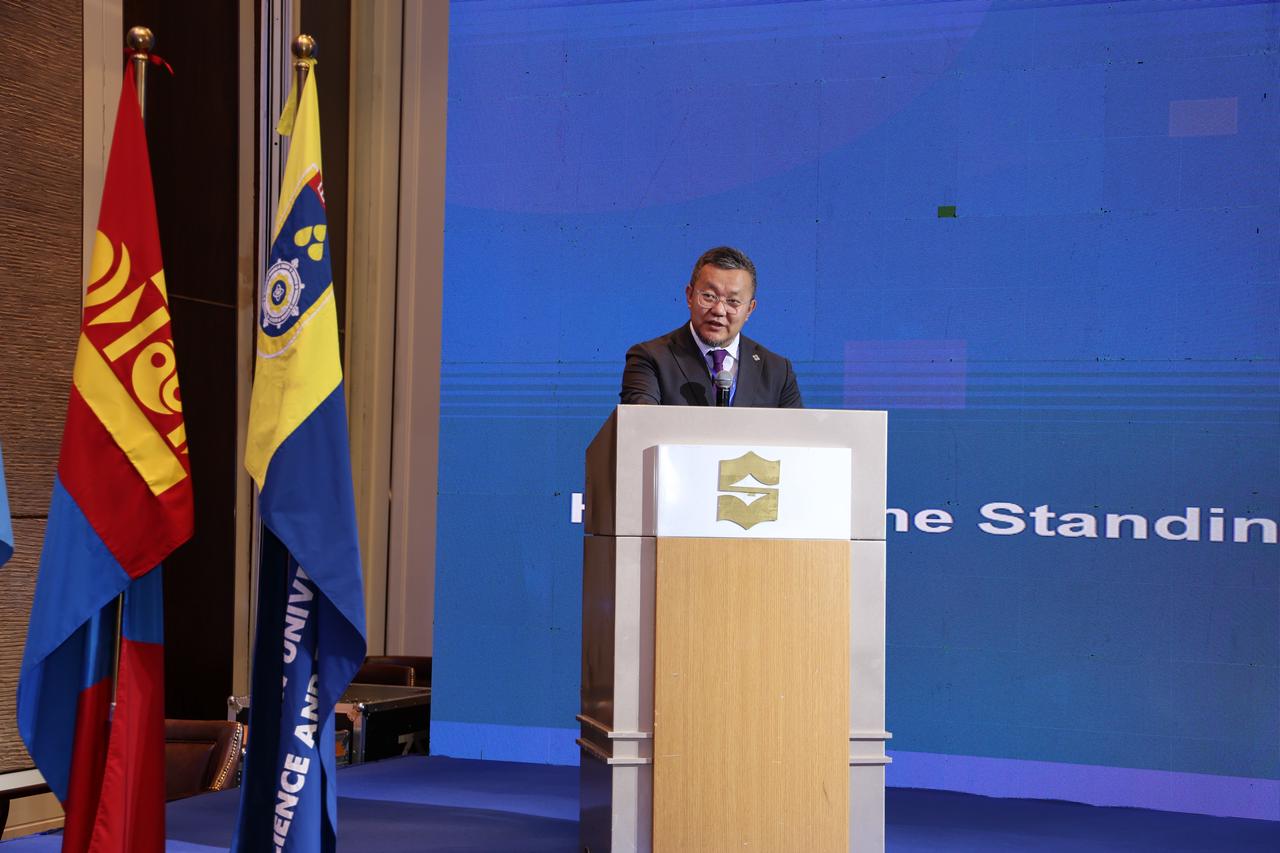 | 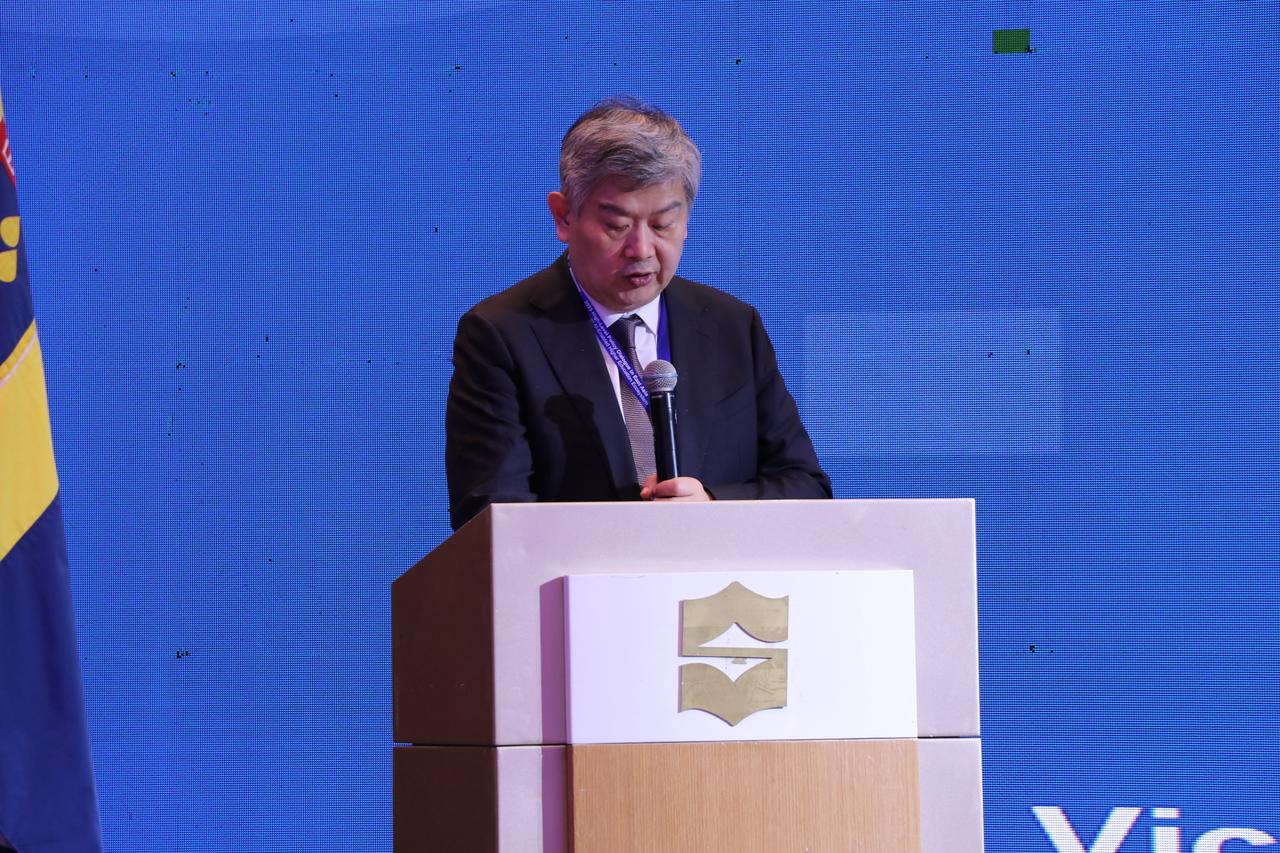 |
Mr. ZOLJARGAL Jargalsaikhan, Member of the State Great Hural of Mongolia and Chairman of the Standing Committee on Innovation and Digital Policy of the State Parliament, delivered a speech | Professor JIN Li, Director of the UNESCO-ICHEI, delivered the opening address |
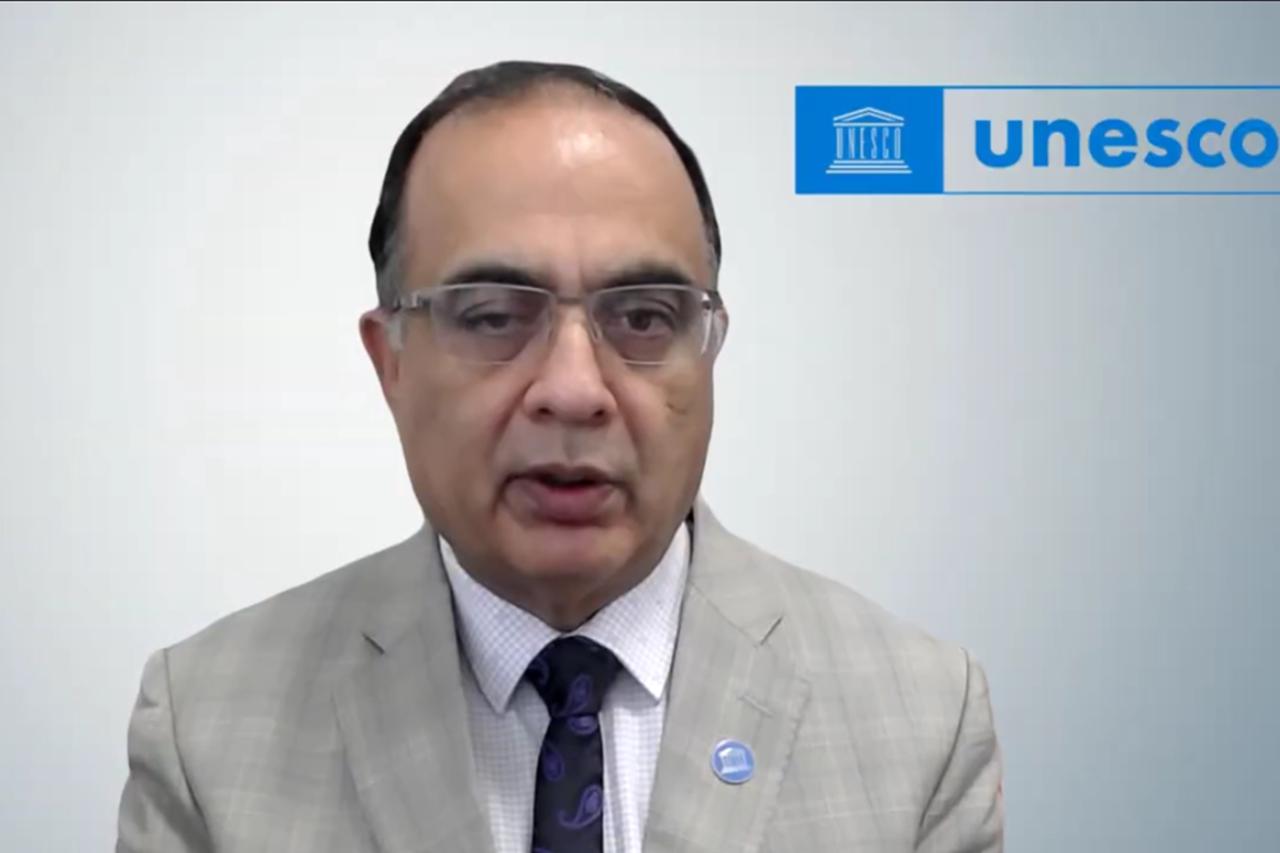 | 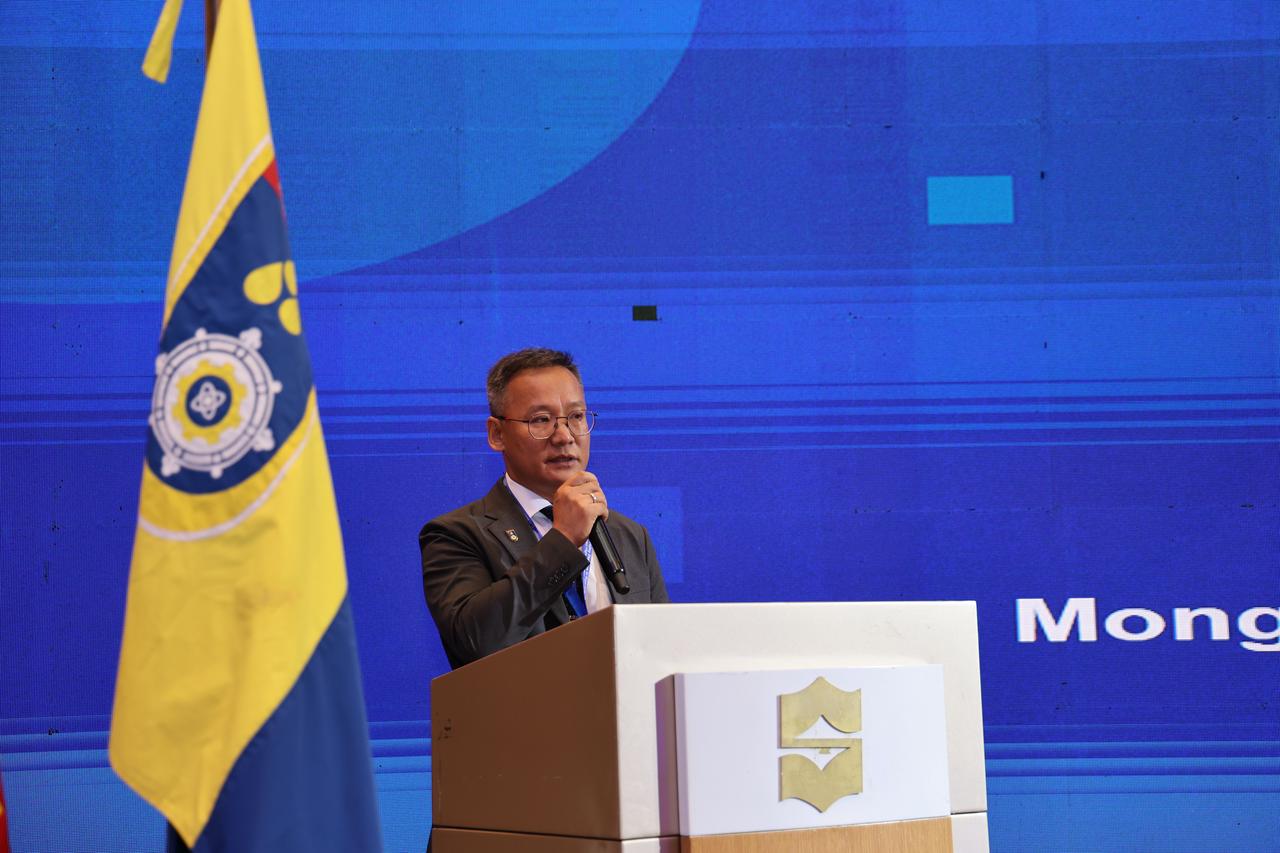 |
Professor Shahbaz Khan, Director of the UNESCO Regional Office in East Asia, delivered a speech | Professor NAMNAN Tumurpurev, Rector of the Mongolian University of Science and Technology, delivered a speech |
Looking ahead, UNESCO-ICHEI will continue to collaborate with IIOE National Centres and partner institutions, UNESCO Headquarters and its regional offices, higher education authorities, and other key stakeholders to organize regional policy dialogues. The aim is to foster a virtuous cycle of "practical exploration – policy refinement – regional sharing." Through this regularized policy dialogue mechanism, UNESCO-ICHEI is working to break down silos, advance digital and AI capacity building in HEIs, and establish lifelong learning systems. This ensures that the outcomes of digital transformation permeate the entire educational chain, injecting sustained momentum into the sustainable development of global higher education.
Technological Inclusion: Users Exceed 24,000, with Software-Hardware Synergy Leading AI Teaching Applications
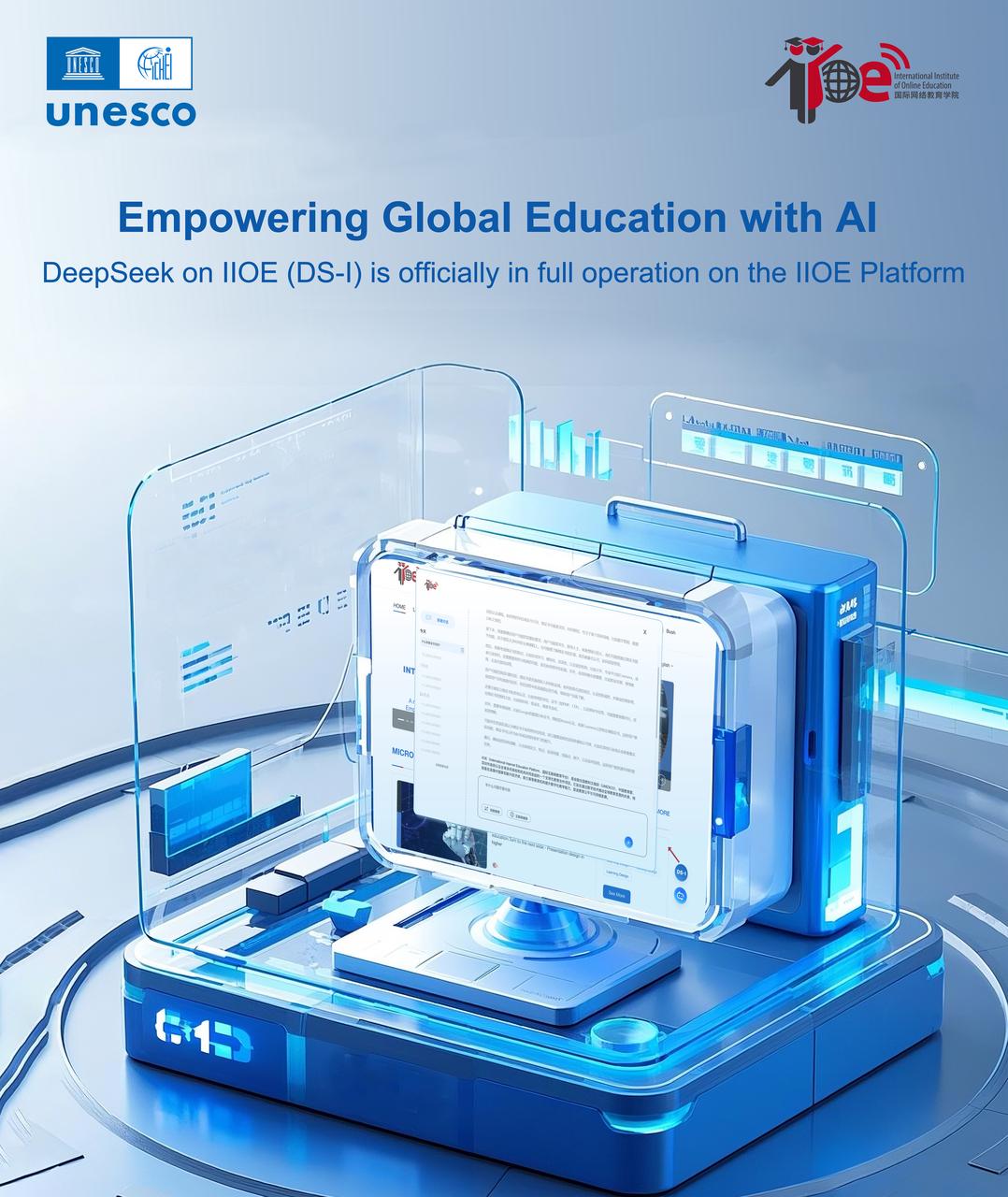
Furthermore, the IIOE platform has introduced an institutional onboarding feature, achieving an upgrade in the self-management capabilities of IIOE National Centres. Partner enterprises and international organisations can also manage and develop dedicated zones for conducting training and user management. The 15 National Centres can now independently set up exclusive training zones, customise learning pathways, and manage local learner data. This further unleashes the flexibility and creativity of localised operations, transforming the IIOE platform into a multilateral and collaborative digital learning ecosystem.
Industry-Academia Collaboration: Supporting the Global Expansion of Chinese Technology Enterprises
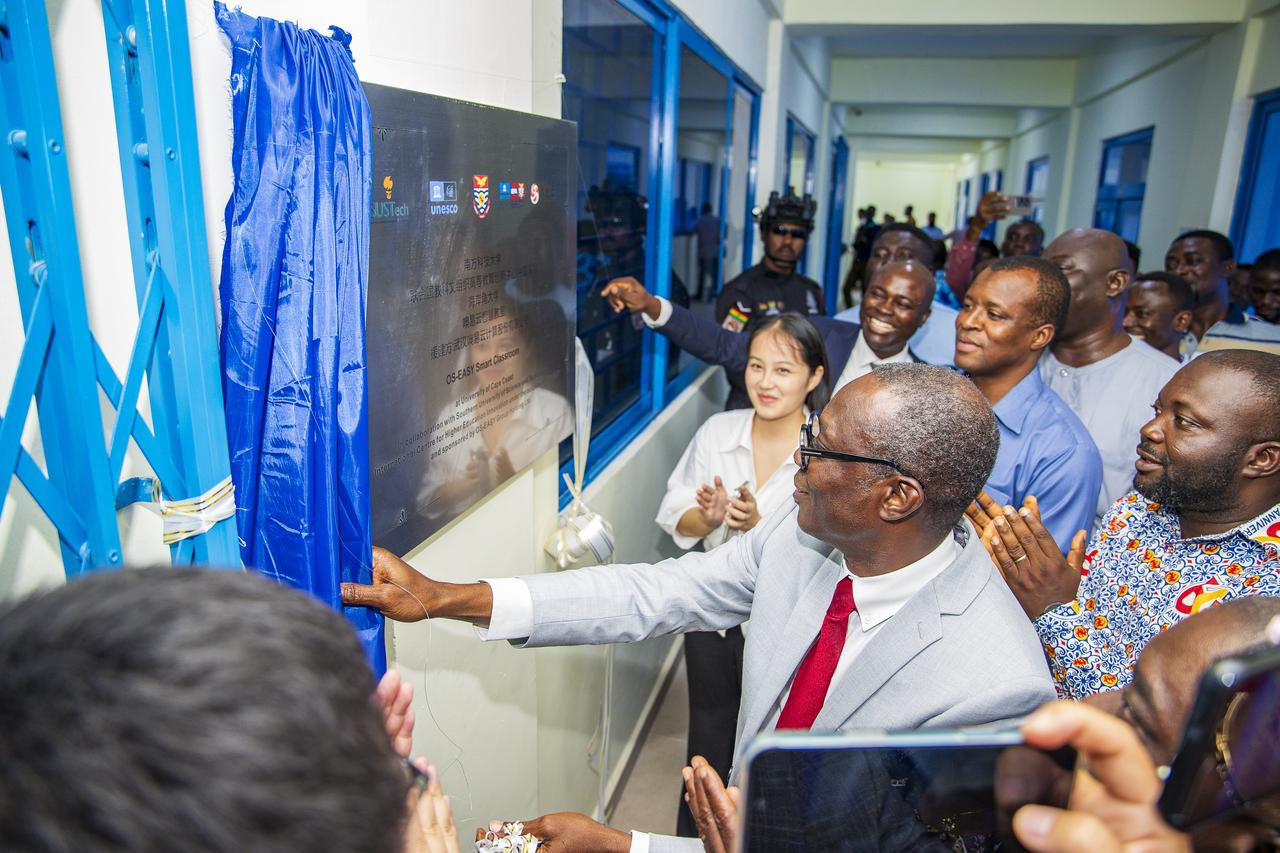
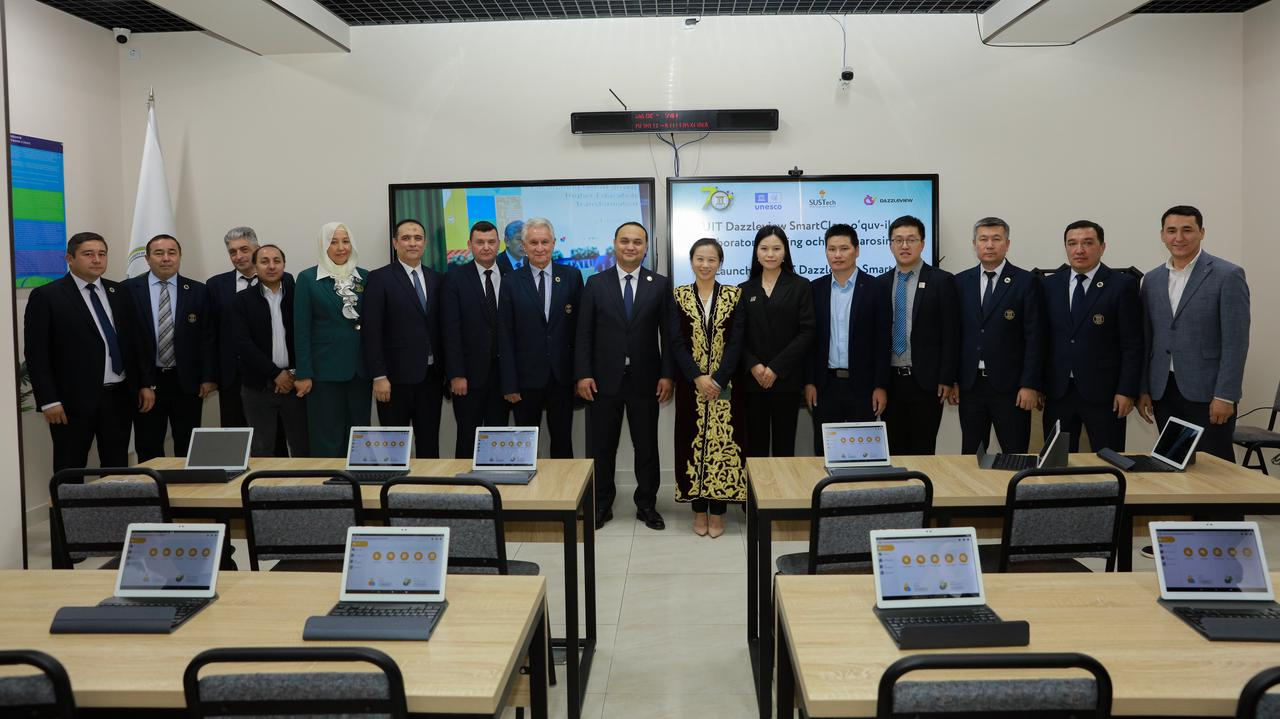
In 2025, two new Smart Classrooms were added under the initiative of the UNESCO-ICHEI, established in Uzbekistan and Ghana respectively. These classrooms have demonstrated technological reliability and pedagogical utility locally, functioning as digital education hubs for teacher training, cutting-edge course development, and the hosting of international conferences. Since its inception, the Smart Classroom Project, through partnerships with technology enterprises (including Hong Kong Wedon Education Technology Co., Limited, CreateView Edu-Tech, Shizhen (HK) LIMITED,OS-EASY, Anhui Wenxiang Technology Co., Ltd., GuangZhou Dazzleview Intelligent Technology Co., Ltd., and Jiangxi KMAX Industrial Co., Ltd), and supported by the academic expertise of the Southern University of Science and Technology (SUSTech), has been implemented in 17 countries in the global south. This project stands as a model of deep industry-academia cooperation, effectively supporting the digital and AI application capacity building of partner institutions. Furthermore, it serves the internationalisation goals of SUSTech; showcases Shenzhen's international education cooperation cases and technological solutions; and supports partner enterprises in expanding their services to overseas markets. Beyond this, collaboration with enterprises has also included joint donations of teaching-assistive VR software and intelligent office software to IIOE partner institutions from companies like Jiangxi KMAX Industrial Co., Ltd and Kingsoft Office, as well as corporate support for and participation in mechanisms like regional policy dialogues. This ensures that industry perspectives are integrated not only into physical teaching spaces but also into the multilateral discourse of international higher education cooperation.
Competency-Based Training: Upgrading Course Series to Align Educational Value with Development Needs
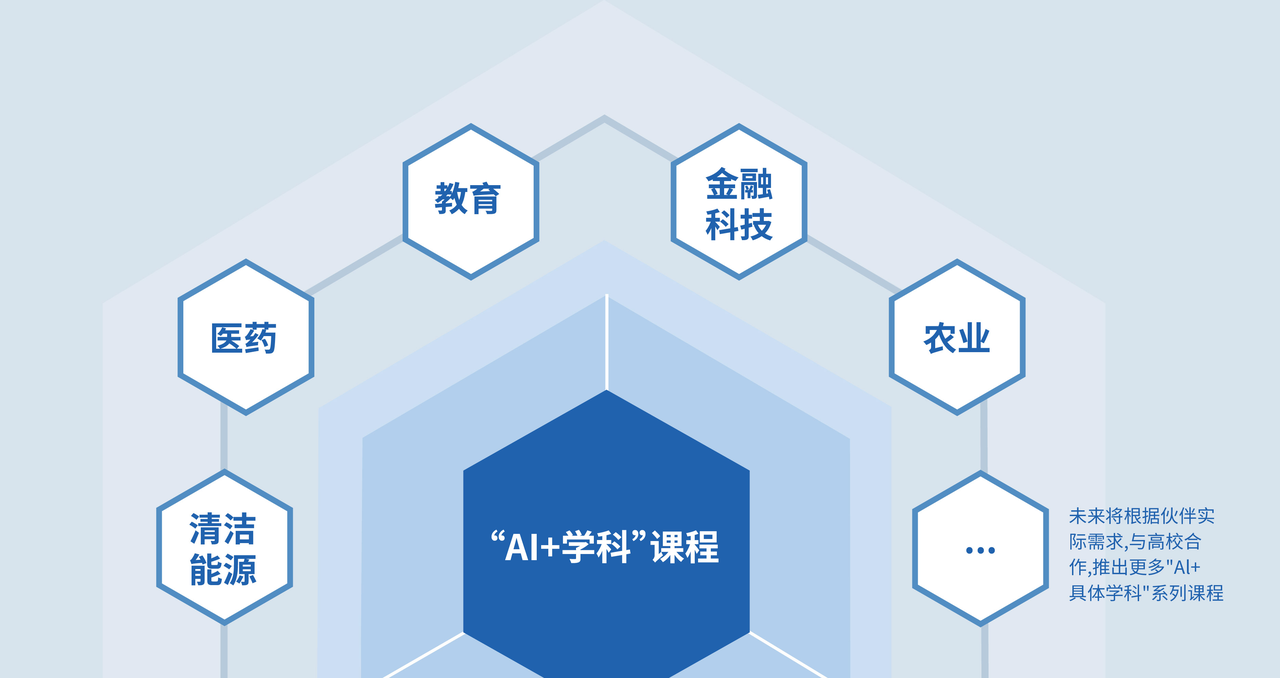
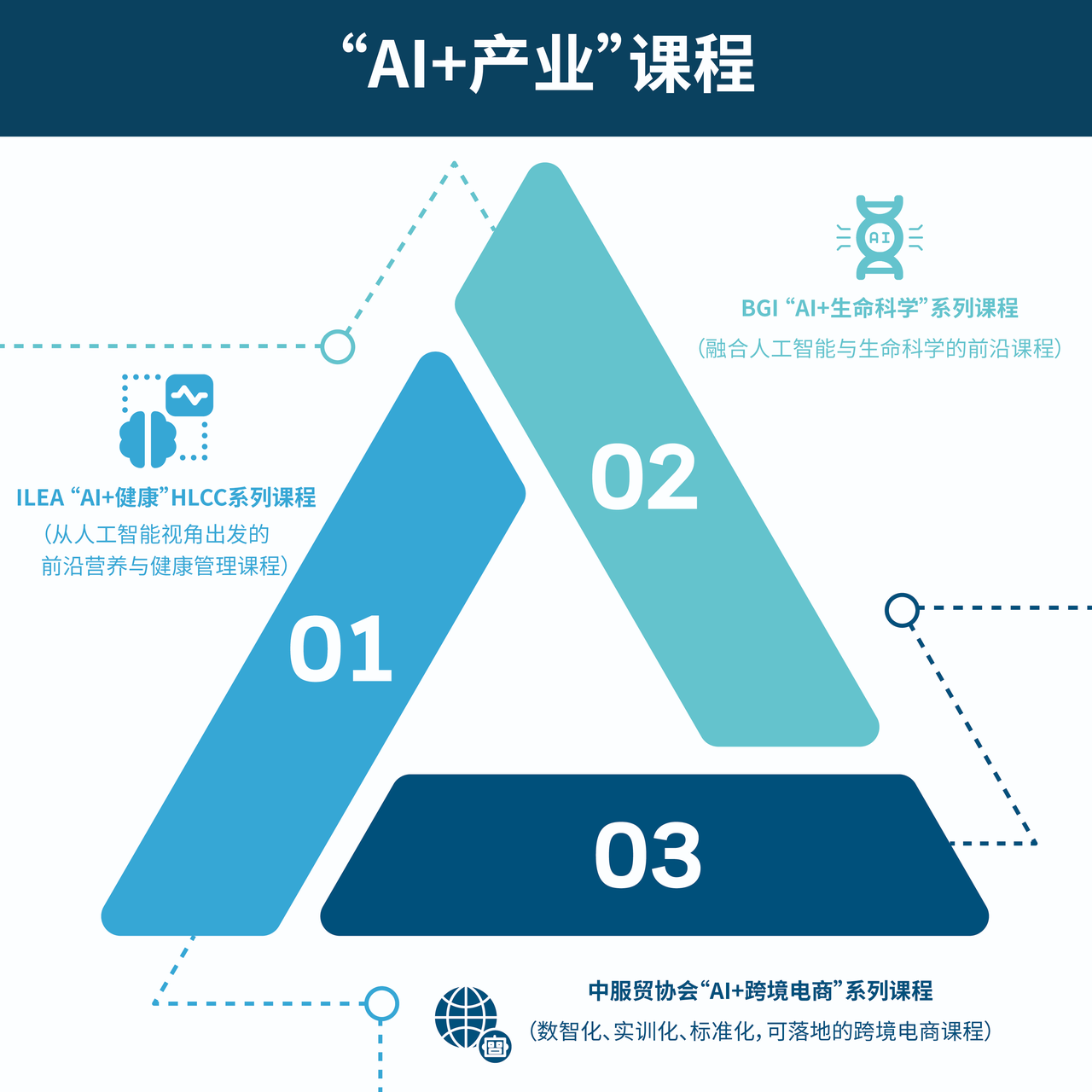
What we strive to bridge is the gap between talent cultivation and real-world industry demands, ensuring that empowerment translates into tangible competency enhancement.
Knowledge Production: Guiding the Transformation Agenda through Research
CLOUD Issue 14 |
CLOUD Issue 13 |
CLOUD Issue 12 |
CLOUD Issue 11 |
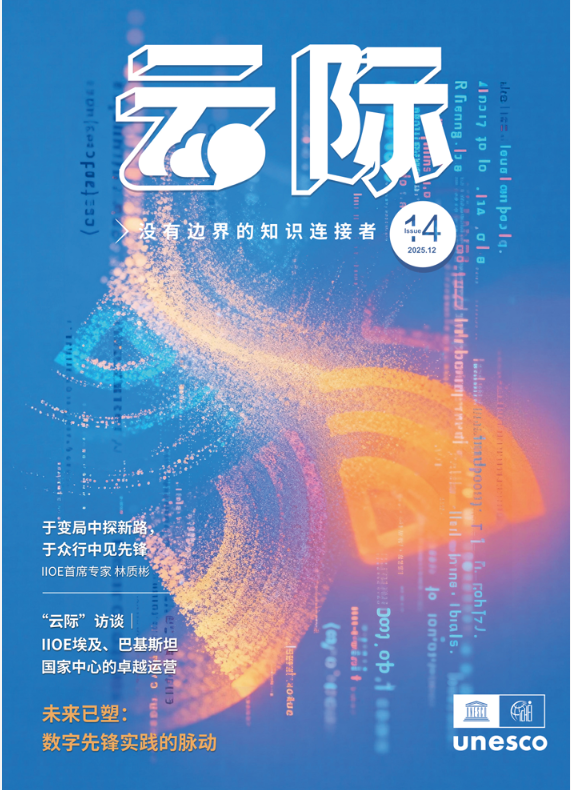
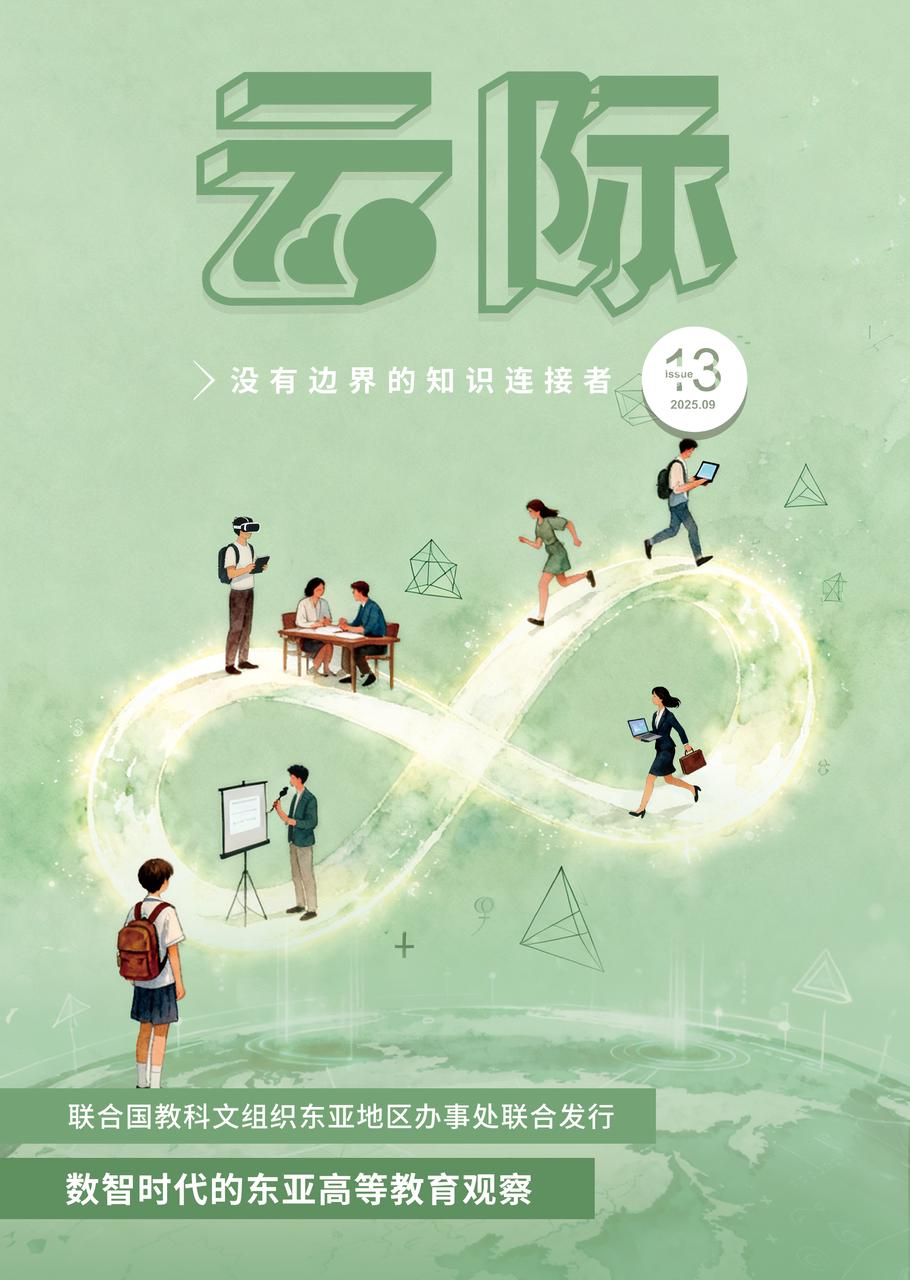
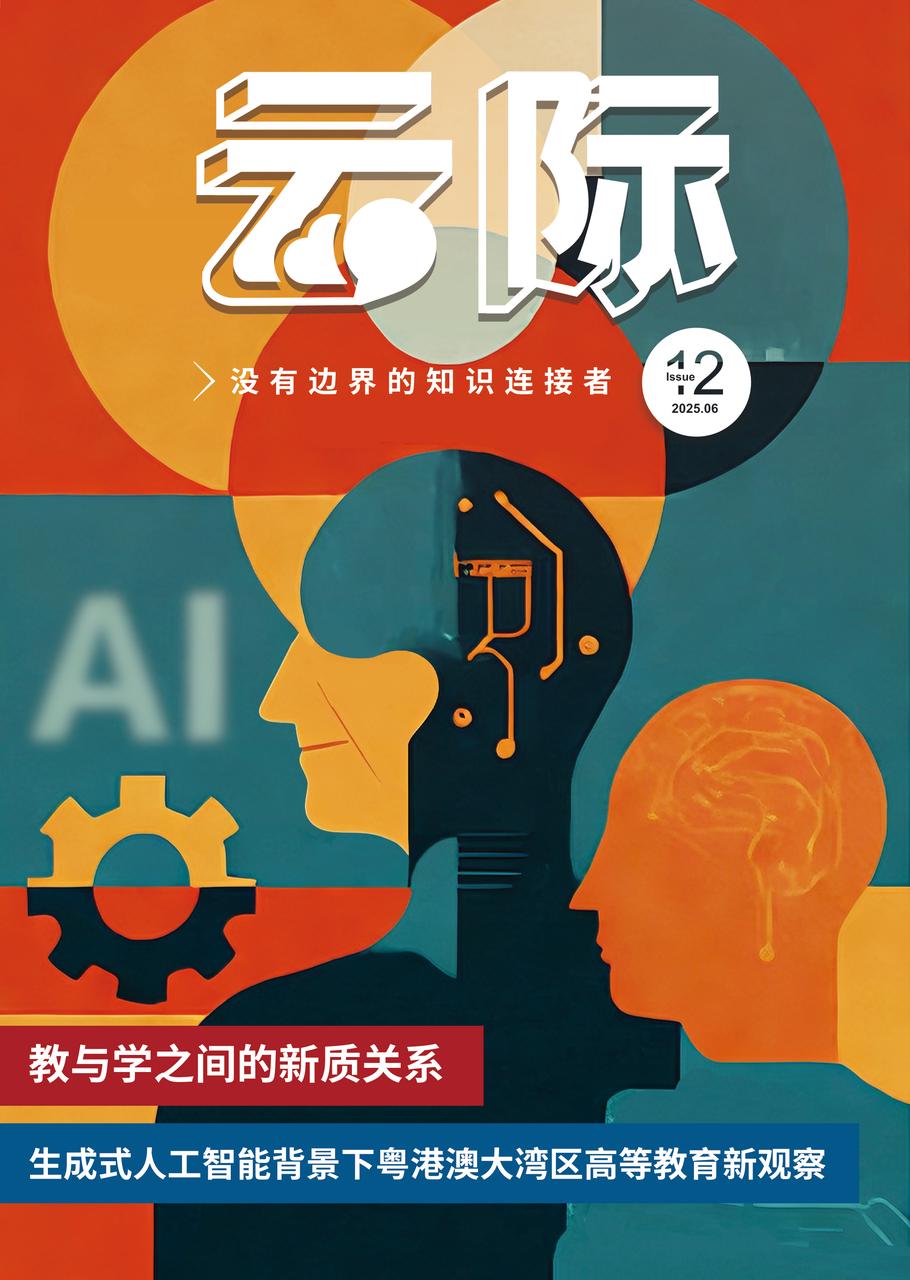
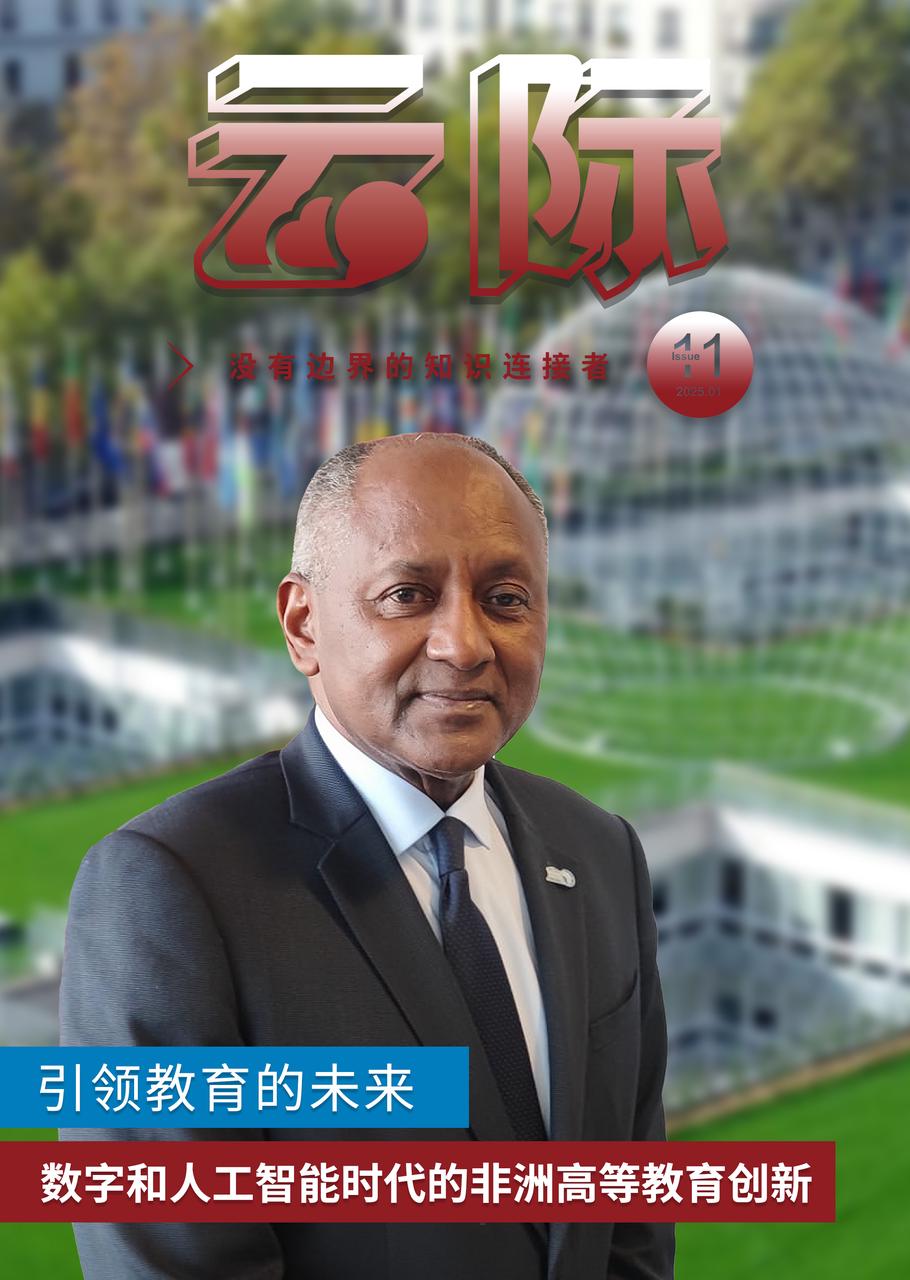
|
| 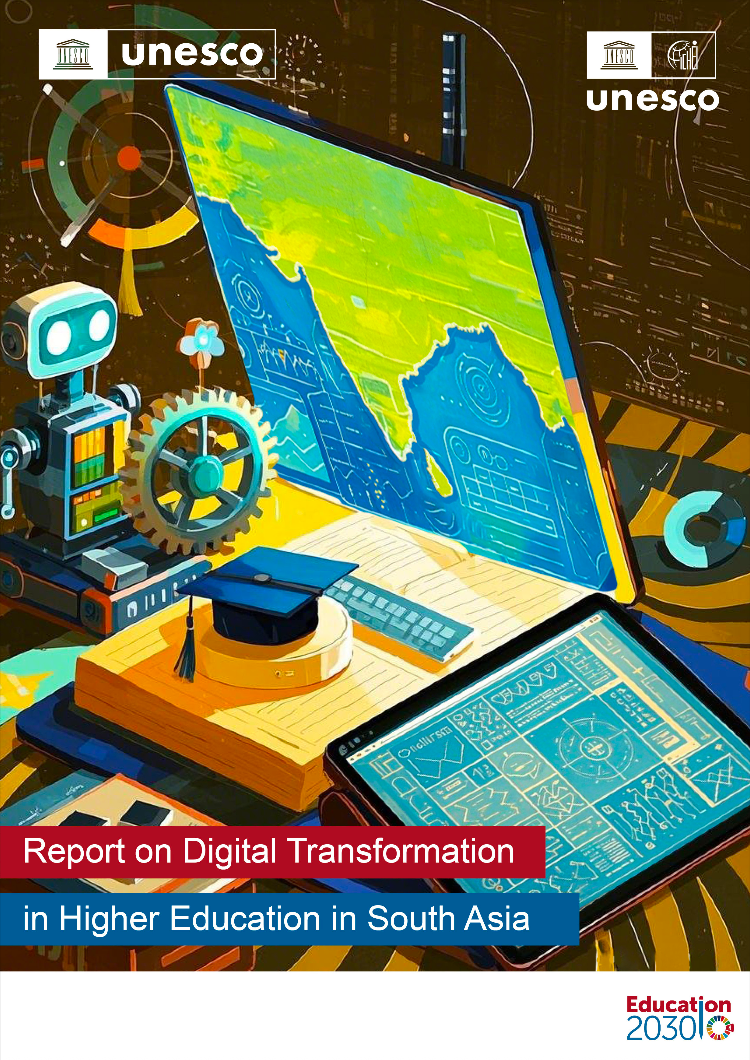 | 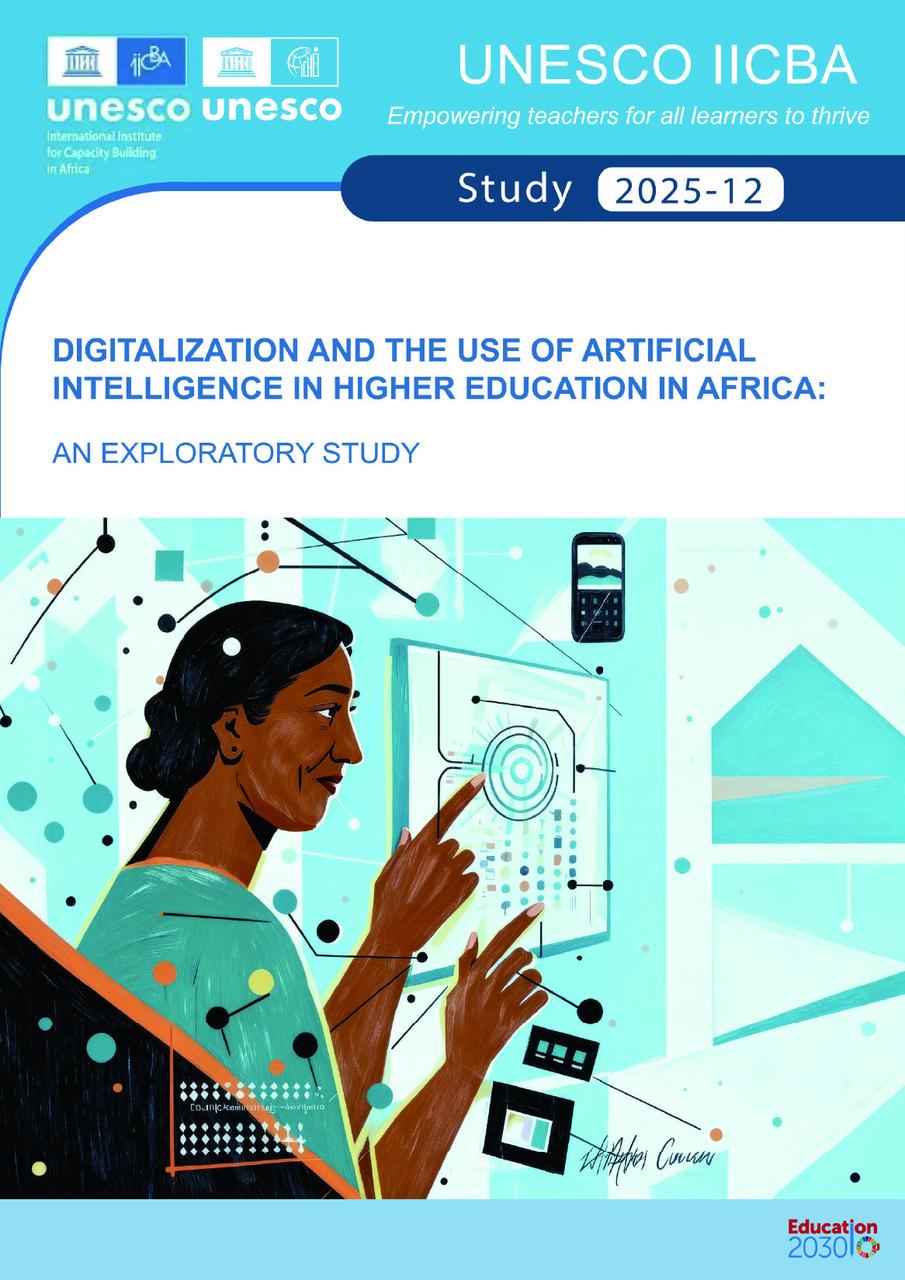 |
Digital Leap in East Asia:A Regional Synthesis on Higher Education Transformation | Report on Digital Transformation in Higher Education in Southeast Asia | Report on Digital Transformation in Higher Education in South Asia | Digitalization And The Use of Artificial Intelligence in Higher Education in Africa:An Exploratory Study |
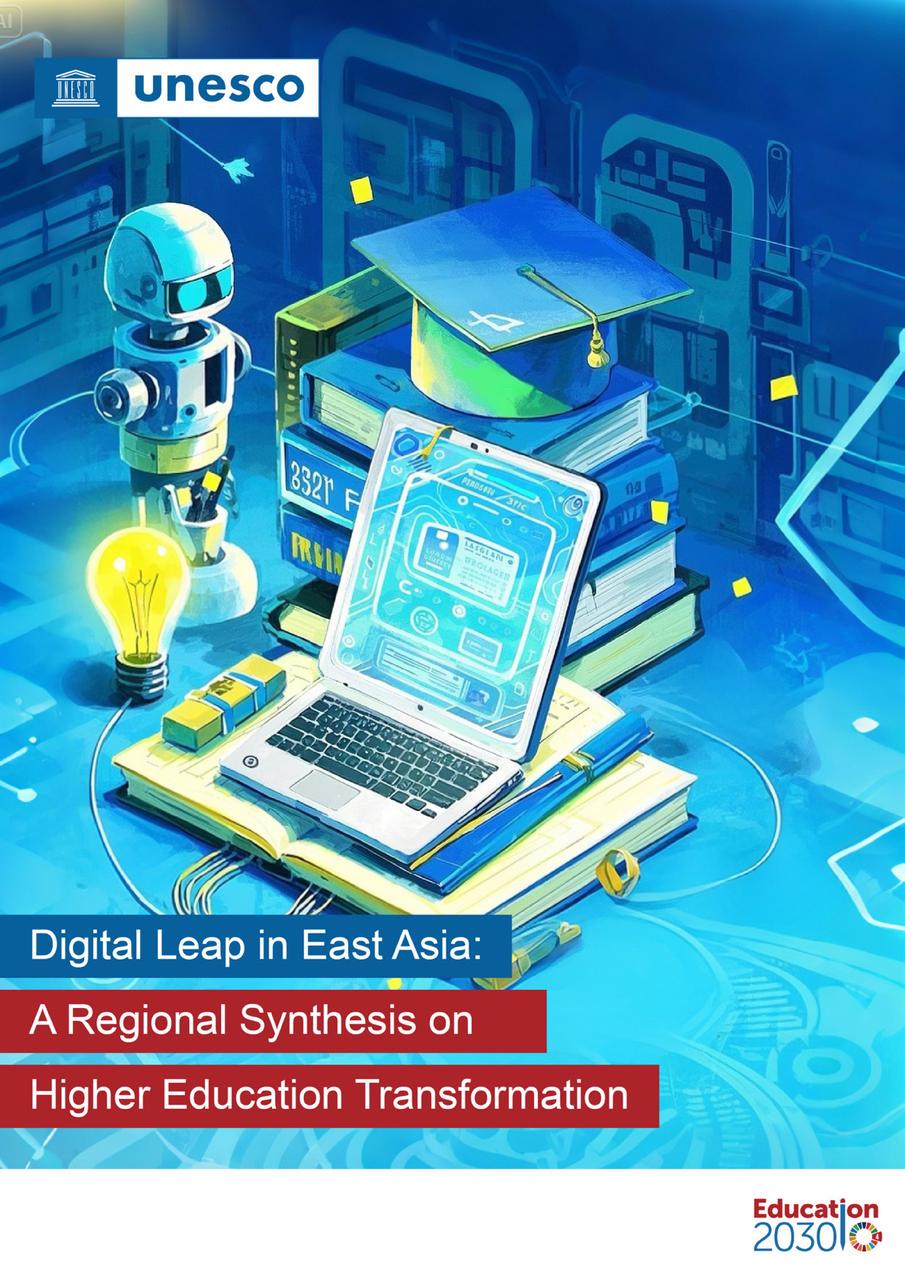
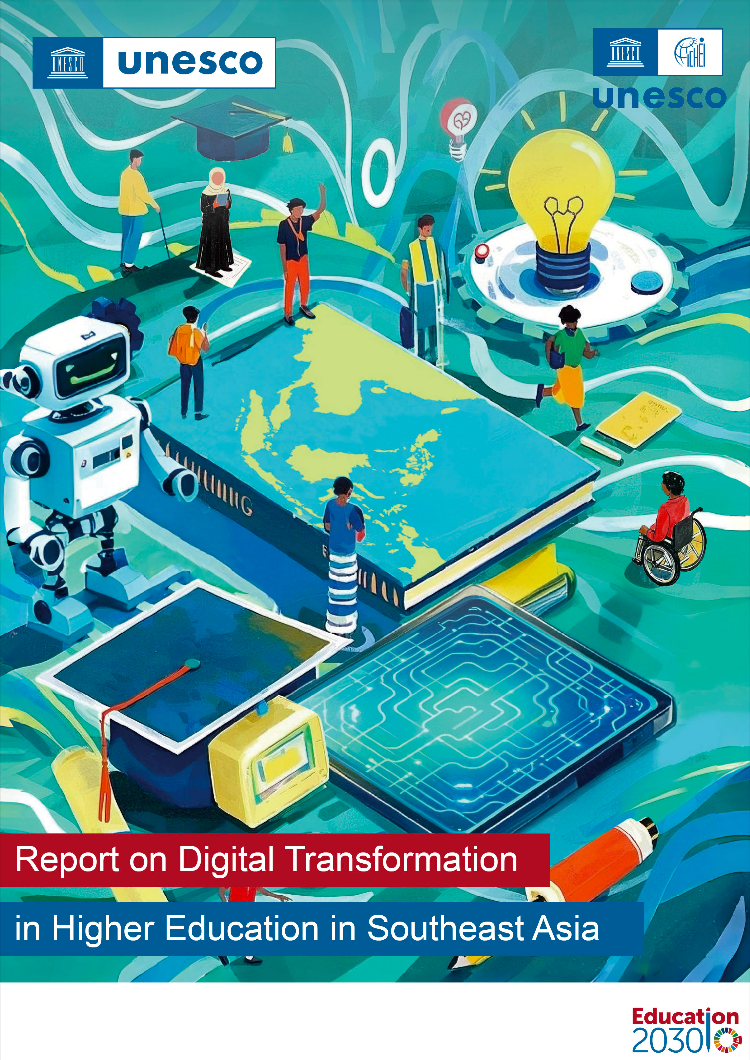
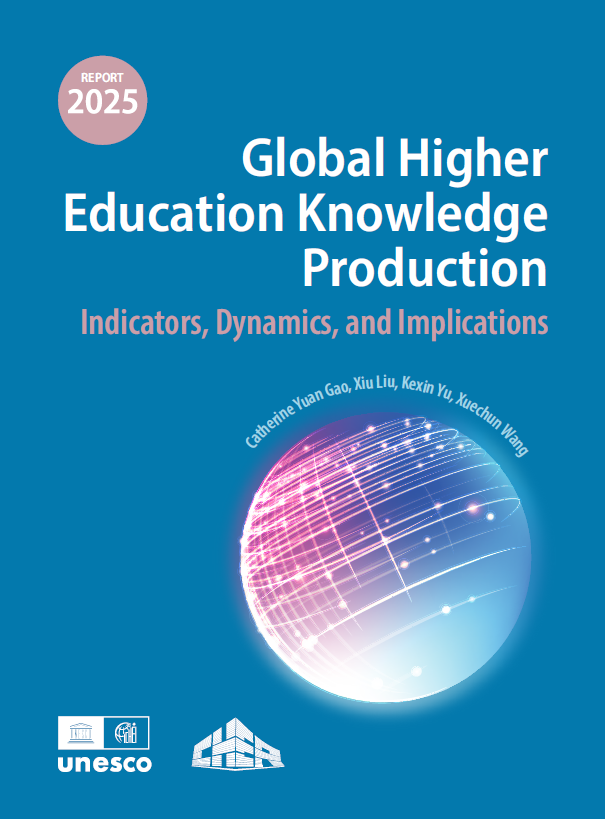
Additionally, in collaboration with the Higher Education Research Centre of the Southern University of Science and Technology, the UNESCO-ICHEI released the Global Higher Education Knowledge Production (2025): Indicators, Trends, and Implications. Through sustained multilateral cooperation and engaging its global UNESCO network, UNESCO-ICHEI has launched numerous reports, frameworks, and guidelines focusing on digital transformation and innovative applications in higher education. Leveraging UNESCO's platform, the UNESCO-ICHEI will further facilitate the global dissemination of academic research outcomes, provide intellectual resources for related research projects and knowledge production, and promote richer multilateral connectivity and cooperation in the future.
Epilogue: Towards 2026