From December 3 to 5, 2025, the 11th ADB International Education and Skills Forum, hosted by the Asian Development Bank and titled "Applying a Fresh Lens to Unlock the Power of Human Capital," was held in Metro Manila, Philippines. The forum focused on K–12 education, technical and vocational education and training (TVET), and higher education, and featured in-depth discussions on key topics including the application of artificial intelligence, the evolving role of teachers, and youth employment and skills development. It aimed to promote regional and international cooperation and further unlock the potential of human capital. The International Centre for Higher Education Innovation under the auspices of UNESCO (Shenzhen, China) (hereinafter referred to as the “UNESCO-ICHEI”) was invited to attend the forum.
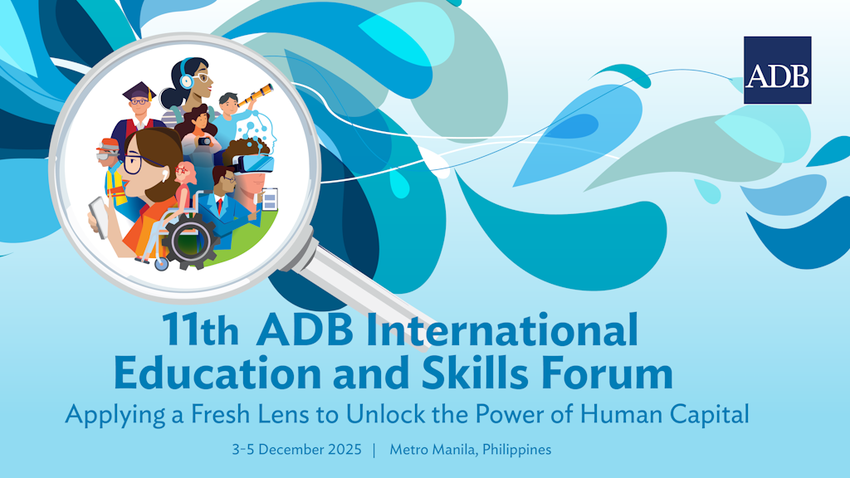
11th ADB International Education and Skills Forum: Applying a Fresh Lens to Unlock the Power of Human Capital
As ADB’s flagship event in the field of education, the forum brought together education ministers and senior government officials from countries such as the Philippines, Mongolia, Pakistan, Tajikistan, and Vanuatu, along with representatives from academia, technology companies, international organizations, and domain experts, to exchange views on the latest trends and future prospects in education and skills development.
Professor JIN Li, Director of UNESCO-ICHEI, participated as a speaker in the parallel session titled "Human Capital Development for Emerging and Critical Technologies in View of Climate Change, AI, and Geopolitical Trends." The session was moderated by Fook Yen Chong, Principal Social Sector Specialist at ADB’s Human and Social Development department, and other speakers included Trio Adiono, Chair of ICDeC; Rafaelita M. Aldaba, PhD, Strategic Advisor at the PQF-NCC, Department of Education, Philippines; Cho Dong-sung, Professor Emeritus at Seoul National University and Chair of the Institute for Industrial Policy Studies; and Suthida Piriyakarnsakul, Policy Specialist at Thailand’s Office of National Higher Education Science Research and Innovation Policy Council.
Participants widely agreed that as emerging and critical technologies—such as industrial AI, semiconductors, quantum technologies, biotechnology, and renewable energy—reshape industrial structures and economic models, the global demand for tech talent is growing exponentially. The acceleration of technological iteration presents new challenges for education policymakers, university administrators, vocational and technical training institutions, and K–12 education managers. There is a need to build training systems that are both flexible and forward-looking, cultivate a future workforce aligned with the demands of the new economy, and ensure sustained and stable funding to maintain a leading edge in technological development.
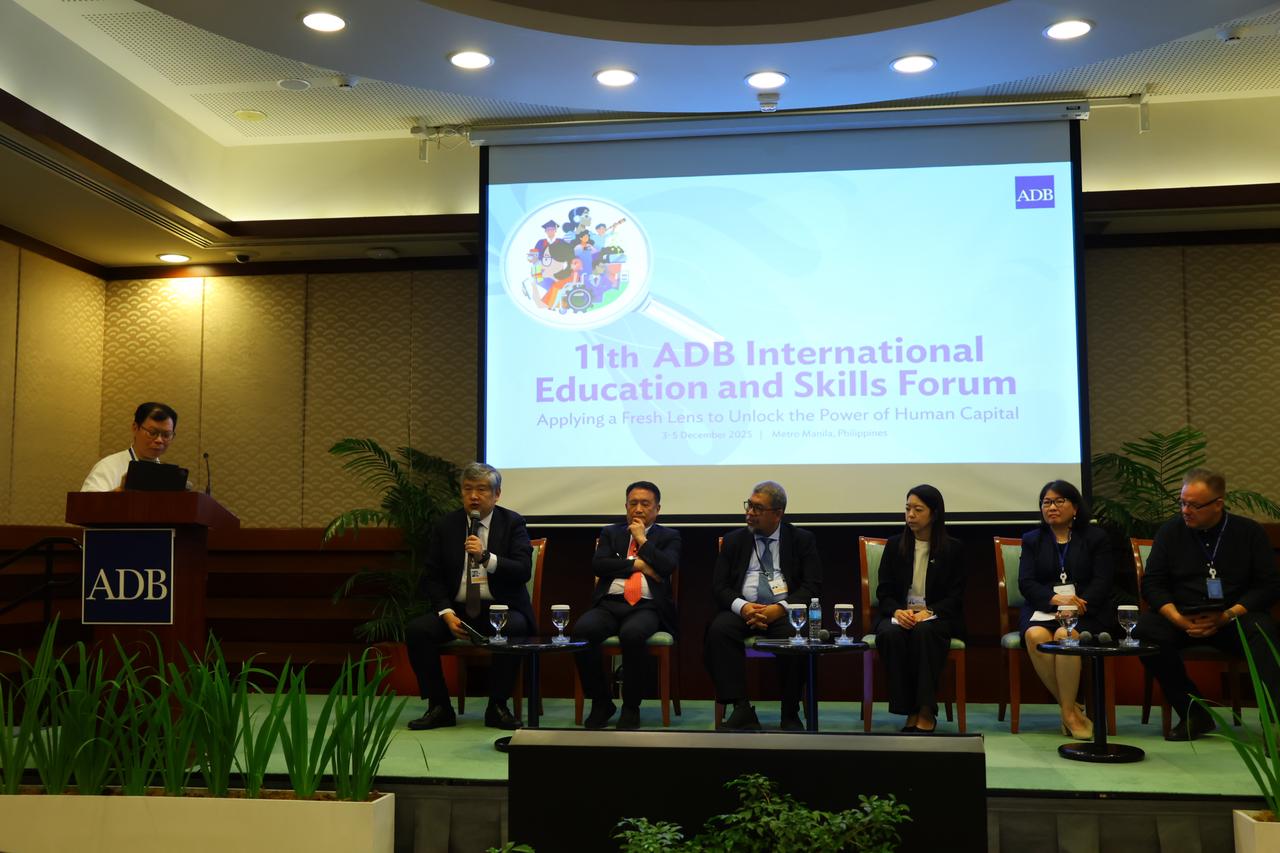
Parallel session titled "Human Capital Development for Emerging and Critical Technologies in View of Climate Change, AI, and Geopolitical Trends"
Professor JIN Li highlighted that Shenzhen, leveraging its "20+8" industrial cluster system and more open talent policies, is accelerating the development of strategic emerging industries such as intelligent robotics, semiconductors and integrated circuits, biomedicine, comprehensive health, and new energy, attracting and cultivating high-end talent to solidify the human capital foundation for technological advancement. He also noted that the Southern University of Science and Technology (SUSTech) has been continuously exploring talent development, industry–university–research collaboration, and technology transfer, becoming a strategic technological force within Shenzhen’s innovation ecosystem. The university has established close partnerships with over 30 leading enterprises, including Tencent, BYD, and DJI, set up joint university–industry technology institutions, and successfully incubated multiple next-generation "unicorn" companies, providing strong support for innovation-driven development. Relying on Shenzhen’s digital industry advantages, UNESCO-ICHEI enhances the digital and AI capabilities of faculty from universities in the Global South to promote localized talent development, while supporting Chinese enterprises expanding overseas and bringing Shenzhen’s experience to the global stage to foster international cooperation and collaborative growth.
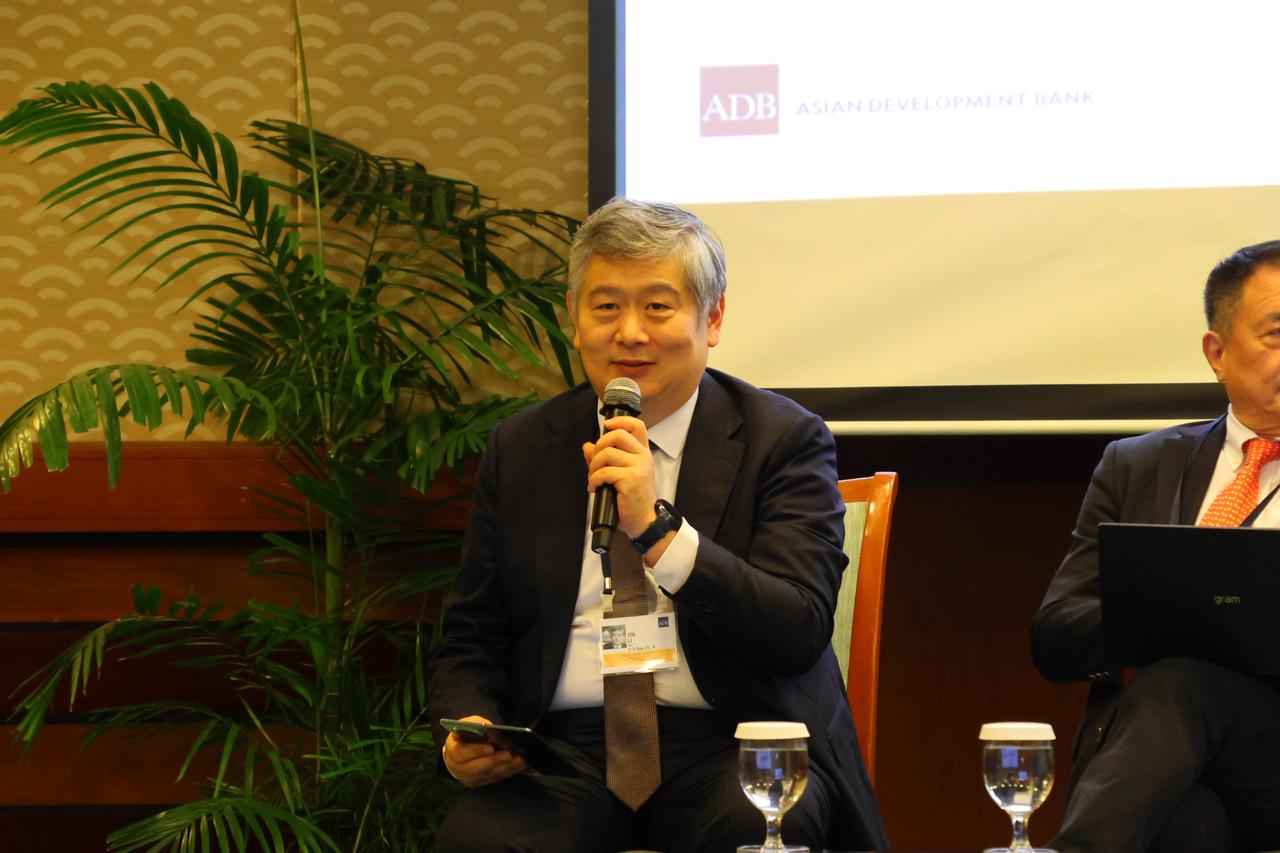
Professor JIN Li, Director of UNESCO-ICHEI
Ms. BI Xiaohan, Deputy Director of UNESCO-ICHEI, participated as a speaker in the parallel session titled “Does Technology Truly Transform Learning Outcomes?”. The session was moderated by XU Jian, Senior Education Specialist at ADB's Human and Social Development, and other speakers included Myrish Antonio, COO of Khan Academy Philippines; Binod Badal, Director of Nepal’s Council for Technical Education and Vocational Training; Leotes Helin, Education Manager at UNICEF Global Learning Innovation Hub; and XIAO Huijie, Educational Business Director for ASEAN at iFLYTEK Co., Ltd..
The participants engaged in in-depth discussions on the equity of educational technology, the use of mobile devices in classrooms, the role of artificial intelligence in teaching, and the impact of generative AI on student learning. BI Xiaohan emphasized that enhancing teachers’ AI application skills and reshaping teaching and assessment methods can help improve students’ AI literacy and learning outcomes. She pointed out that without systematic teacher capacity building, instruction may remain focused on traditional knowledge transmission, limiting the development of students’ critical thinking, creativity, and real-world problem-solving abilities. BI Xiaohan also highlighted that the training programs offered by the International Institute of Online Education (IIOE) have played an important role in enhancing higher education practitioners’ digital and AI capabilities, supporting their teaching, research, and administrative work. Looking ahead, IIOE plans to further develop courses and training programs closely aligned with industry needs to support partner institutions in cultivating local talent that meets labor market demands.
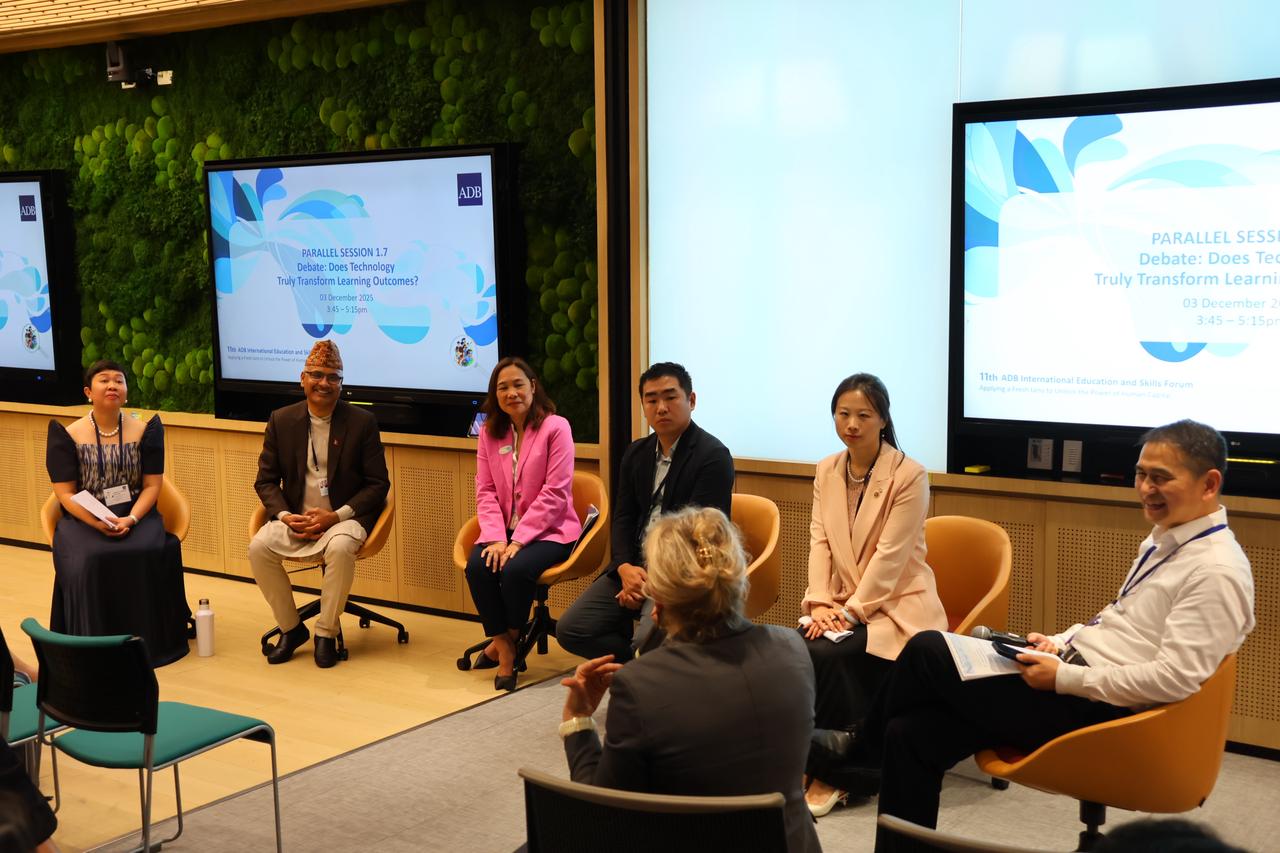
Parallel session "Does Technology Truly Transform Learning Outcomes?"
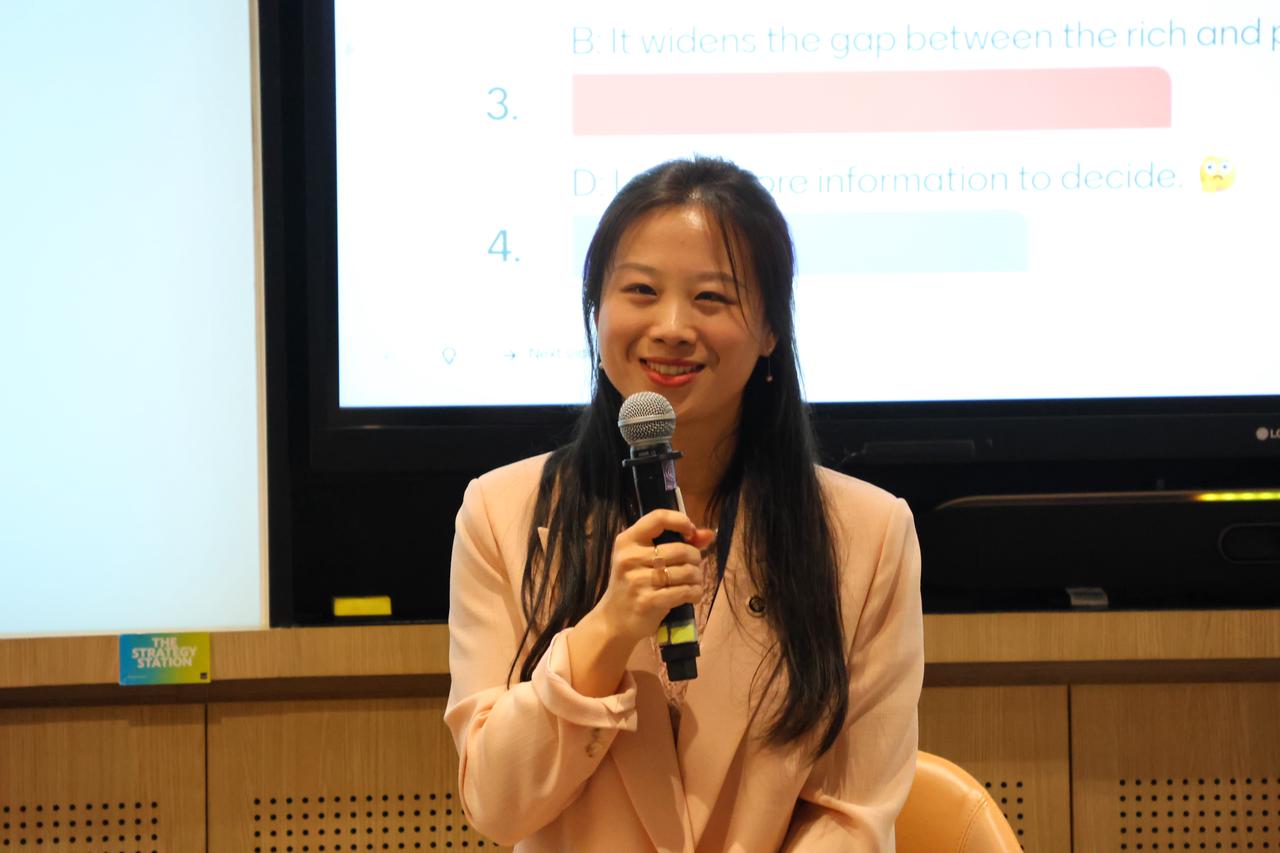
BI Xiaohan, Deputy Director of UNESCO-ICHEI
About Asian Development Bank (ADB)
Asian Development Bank (ADB) is a leading multilateral development bank supporting inclusive, resilient, and sustainable growth across Asia and the Pacific. Working with its members and partners to solve complex challenges together, ADB harnesses innovative financial tools and strategic partnerships to transform lives, build quality infrastructure, and safeguard our planet. Founded in 1966, ADB is owned by 69 members—50 from the region.